Even though it was two years ago, I still remember mentally constellating the stippled ceiling as the vet probed into the particulars of Clark’s annual exam. My eyes stung and I could feel my chest burn while I tried to hold myself together enough to listen. Back then, I was a little more than halfway through my IDPhD and already felt increasingly defeated by life professionally and existentially. I remember feeling exhausted by precarity and platitudes, watching people with performative or hollow praxes become—or remain—gainfully employed and celebrated as others eagerly indulged them. It cast life as I knew it to be morally inverted. Things like sincerity, care, and principled effort—things widely avowed and encouraged—had little, if any bearing on who prospered. Amidst the uncertainty about my own future, I tried to hold onto some sense that my efforts meant something; that I meant something. Hearing that Clark had CKD felt like yet another confirmation that life is governed less by fairness or goodness than by finitude, inequity, and loss. Thinking of losing Clark while still feeling so unmoored and exhausted made life feel pointless, like everything amounted only to watching beloveds decline while life stretched on. The diagnosis seemed to affirm that something inside me collapsed under the weight of everything at once: even the beings who make life feel worthwhile can’t be protected from time, no matter how deeply they’re loved.

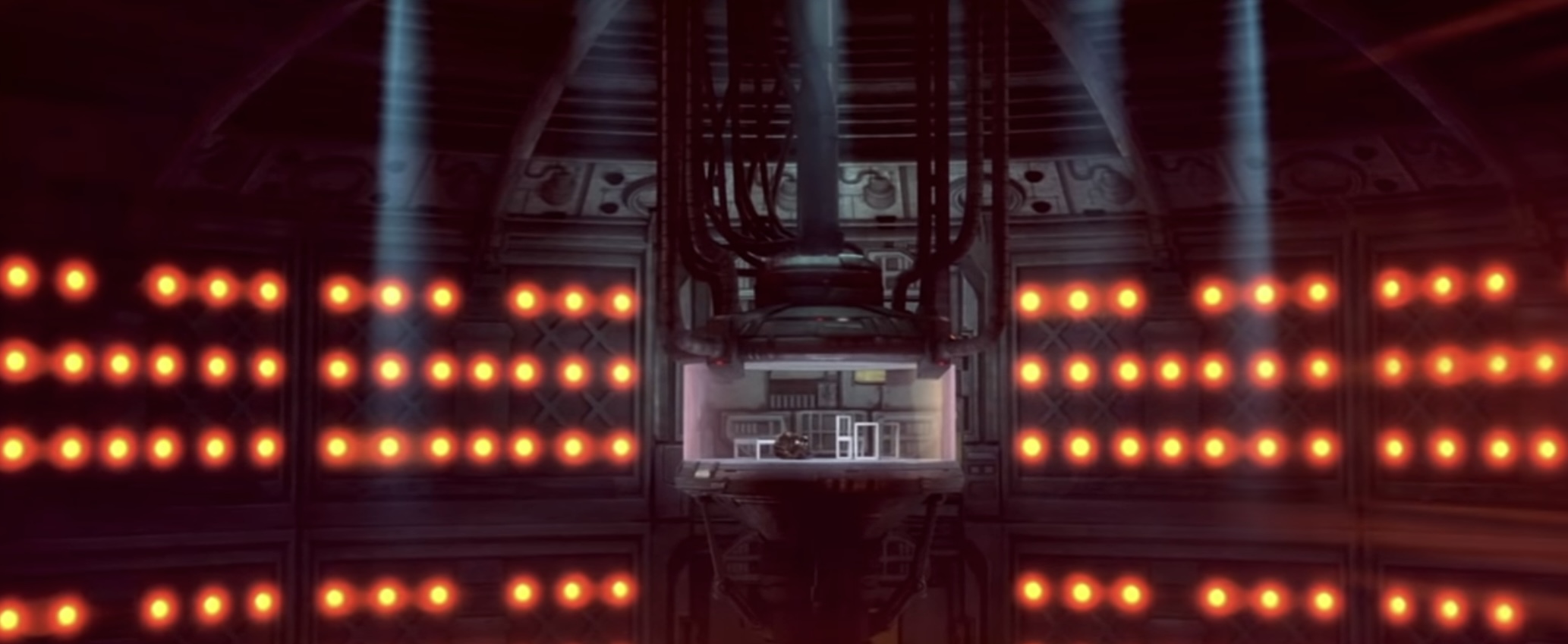
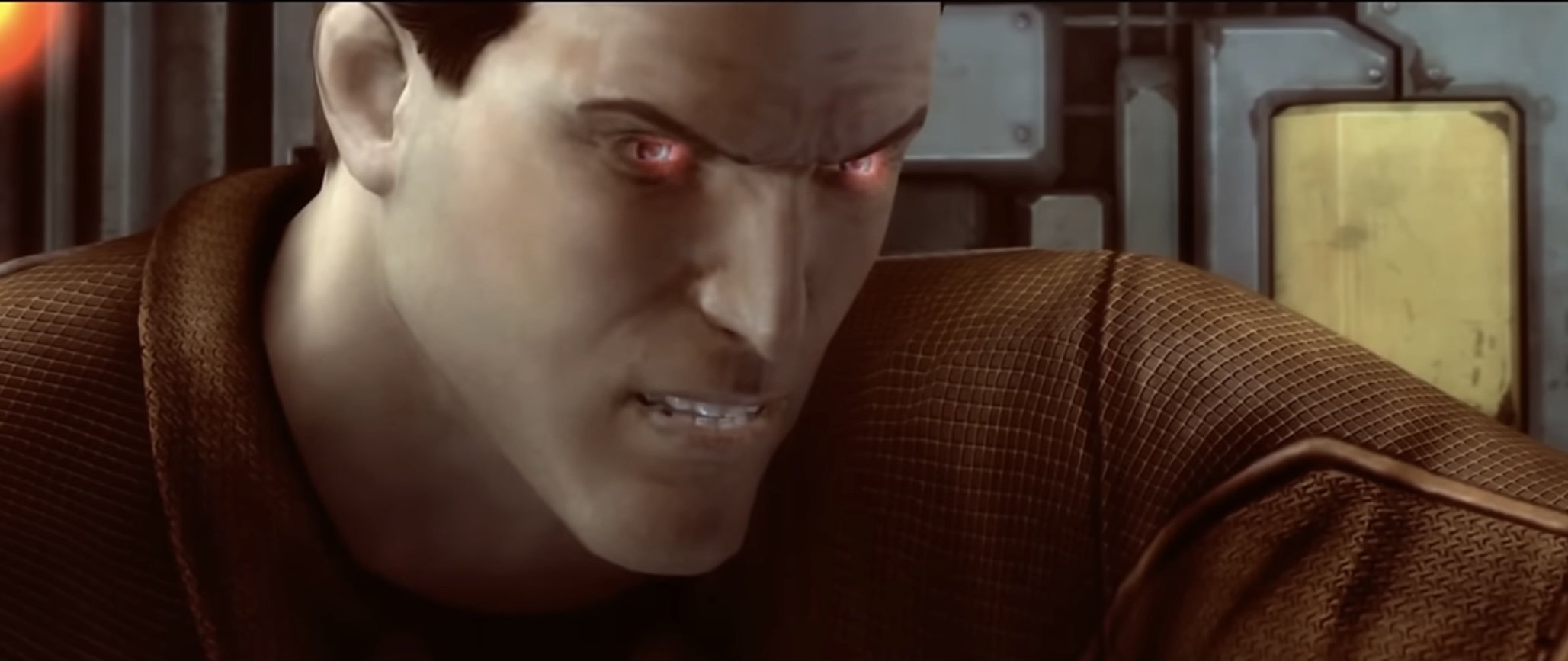
Maybe-not-so-coincidently, around this time, I found myself drawn to heroes like Superman, Shazam, and the tragic figure of Black Adam. The aforementioned anguish left me hollow and defeated which punctuated worsening insomnia and anxiety. Media had always been my refuge so, to pass the time, I watched miscellaneous cutscenes, animated films, along with compilations of character intros and outros online. For me, fictional worlds momentarily give shape to feelings that ordinary life and its sentiments seem unable or unwilling to hold; and I succumbed to the subtler tensions within these stories of heroes and fallen figures debating power, suffering, morality, and disillusionment. What got me wasn’t some fantasy of invulnerability or triumph, but the ethical and existential tensions they uniquely personified. Clark Kent continues to love and protect a world that repeatedly fails to embody the ideals it professes, whereas Billy Batson remains gentle and kindred amidst poverty and grief. Conversely, Black Adam represents that prolonged suffering and betrayal eventually—duly—calcify into contempt. Together, they all dramatize competing responses to the fact that the world is neither fair nor reliably governed; how candor persists alongside that fact by the perpetuity of will.

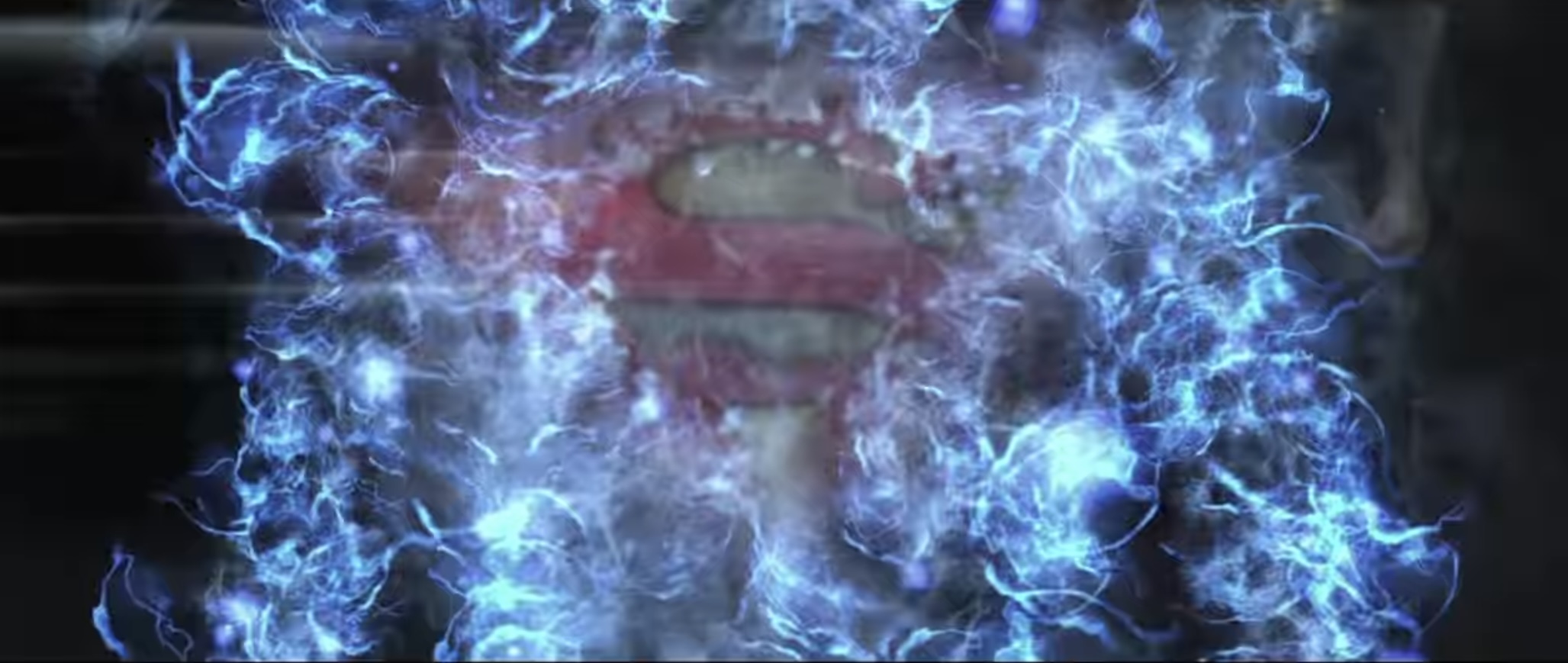
In my Clark, I picked up on something similar because—despite his illness, aging, exclusion, and the vulnerabilities inherent to being dependent upon others—he still sought affection, routine, and trust. I mean, Clark came to represent Superman to me because the Man of Steel has never really been about invincibility. Although I originally named Clark just because I was watching a ton of Smallville when I first got him, Clark came to embody his namesake over time literally—at a whopping 22 pounds to which the vet dubbed him a “tank” since it was mostly muscle—and figuratively in warmth without fault, tenacity without spectacle, and an undying capacity for love and connection in spite of the suffering and fragility woven into existence itself. He endured being an outlier among my other cats, experienced forms of exclusion and tension that could have made him withdrawn or fearful, and yet he still chose to be happy. He purrs, bunts, follows me from room to room, curls beside me with his favourite ball, and approaches life with a delicacy against the odds. That’s what feels ‘Superman’ about him to me: the resolve to stay warm and refusal to go cold against the grain of iniquity.
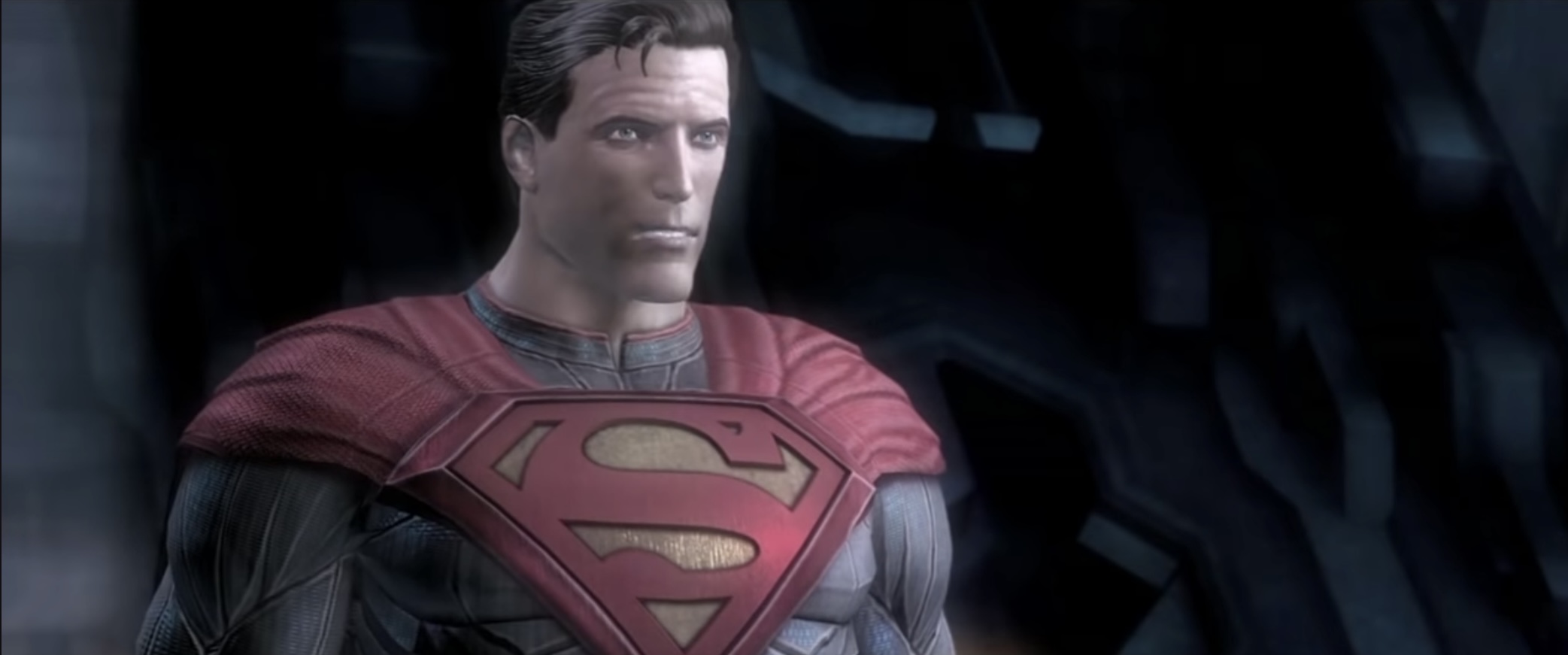
At the same time, narratives of Superman can be devastating when they speak more to his incapacity over his strength. Think of Jonathan Kent’s death in the 1978 film, how sadly Clark stares after the gravesite; or in Superman: Earth One, Volume 2 comic where he buries and grieves his cat, Fuzzball, on the face of the moon. These stories see him lament that his powers can’t—and won’t—save his beloveds from time or mortality. Bereaving other beloveds and Clark’s CKD diagnosis forced me into the same realization that love doesn’t grant omnipotence. No amount of care can completely protect those we love. But the fact remains that Clark still rests beside me peacefully, trusts me, and seeks me out affectionately—all within a cruel world where loss remains inevitable.


Which led me to—and honestly, will always lead me to—reflect on The Flashpoint Paradox since it was one of the first narratives that made me viscerally understand the limits of retroactive correction. Revisiting or ‘fixing’ the past doesn’t assure happiness, moral equilibrium, or some cosmic balance in the present or future. Before seeing the film and comic, I couldn’t meaningfully comprehend why people encouraged me not to rue past losses, injustices, mistakes, or alternate possibilities. My neurodivergence has always inclined me to ruminate [exhaustive reconsideration] as if sufficient reflection, self-blame, or temporal reconfiguration could somehow produce a version of reality in which my pain, sadness, or indignity were finally resolved. What affected me so deeply about Flashpoint—and later, The Flash (2023)—was how it showed that acts motivated by love, longing, or grief can cause unforeseen fractures that can’t be neatly controlled or undone. Barry’s attempt to save his mother doesn’t heal or balance; it radically destabilizes a world where suffering simply reconfigures itself into new forms. This also struck home in the live-action film when a version of Bruce Wayne tells Barry: “These scars we have make us who we are. We’re not meant to go back and fix them. Don’t let your tragedy define you.” That line got me because it expressed something I struggled to internalize for years; that pain and loss can’t be resolved through retroactive mastery, and fixating on alternate timelines can’t restore what has already been altered by time. Narratively, these evince how and why attempts to perfect and undo—or dwelling on—the past can become forms of imprisonment in and of themselves, keeping one suspended between realities instead of fully inhabiting the present and moving onward despite how uncertain the future may be. Instead of presenting suffering as purposeful or desirable, these narratives conveyed the danger of allowing grief and regret to wholly organize one’s relationship to existence, identity, and hope.

Believe it or not, that realization led me to revisit the Shrek franchise. I know, I know—folks will say I’m needlessly intellectualizing a kids’ movie and it’s “not that deep”; but given how much I read into superheroes and -villains, what did you expect? Moreover, given the creative and cultural context of media overall, it truly is always “that deep,” but that’s another topic for another time. Anyway, while the world of Shrek is populated by familiar fairytale figures whose narratives we know to be fixed or preordained, the franchise purposes those stories to be contingent, unstable, and shaped less by destiny than by relational choices, circumstance, and intervention. Here, ‘destiny’ actually becomes a socially coordinated arrangement dependent upon specific conditions remaining intact. Shrek had no call to meet Fiona; he was tasked to do so in an effort to recover his swamp. Prince Charming wasn’t inherently meant to rescue or marry Fiona; the Fairy Godmother [his actual mother] framed his rescue of Fiona as an inevitable fairytale outcome. Arthur wasn’t sanctified to inherit the kingdom of Far Far Away; he was pursued to relieve Shrek from a miserable life of aristocracy. Because outcomes arise from anomalies, the fairytale script is shown not to be ontologically guaranteed so much as sustained by convention and expectation. This contingency is focal in Shrek Forever After (2010). When Rumpelstiltskin removes Shrek from existence, the timeline doesn’t ‘correct’ itself by restoring Charming as Fiona’s rescuer. Instead, an entirely different sociopolitical reality emerges: Fiona is never rescued, Far Far Away falls under authoritarian rule, and Fiona becomes an ogre resistance leader. The absence of a ‘fixed timeline’ revises traditional fairytale logic. A happy ending isn’t operant on a Prince + Princess outcome. Narratives are unstable and revisable since they’re influenced by choice, interaction, and contingency. Ironically, Prince Charming exemplifies temporal rigidity, believing stories must resolve according to inherited scripts, whereas Shrek’s very existence disrupts and rewrites the assumptions those scripts depend upon.

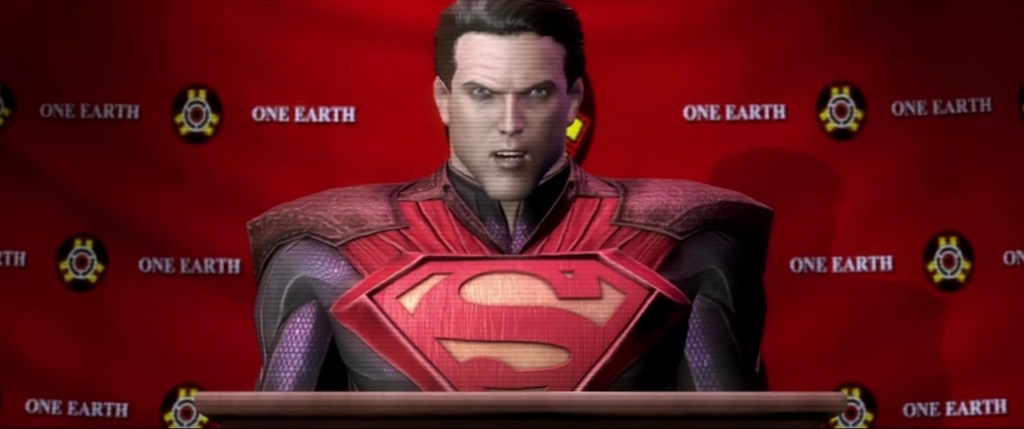
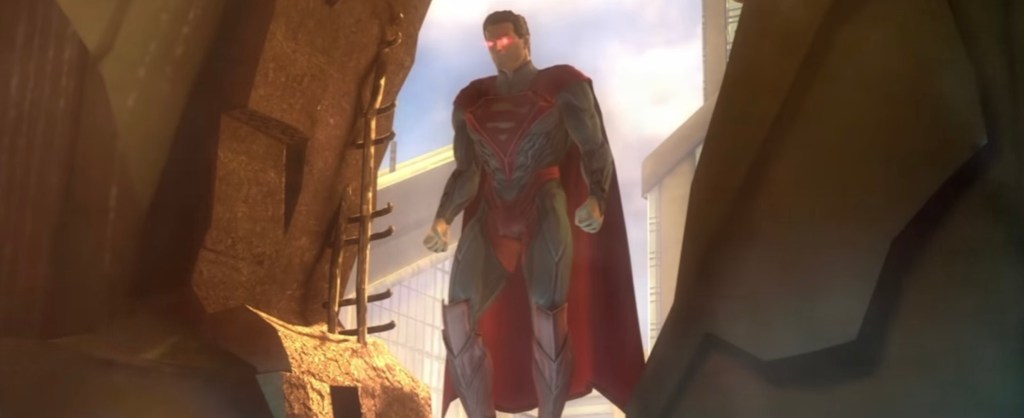
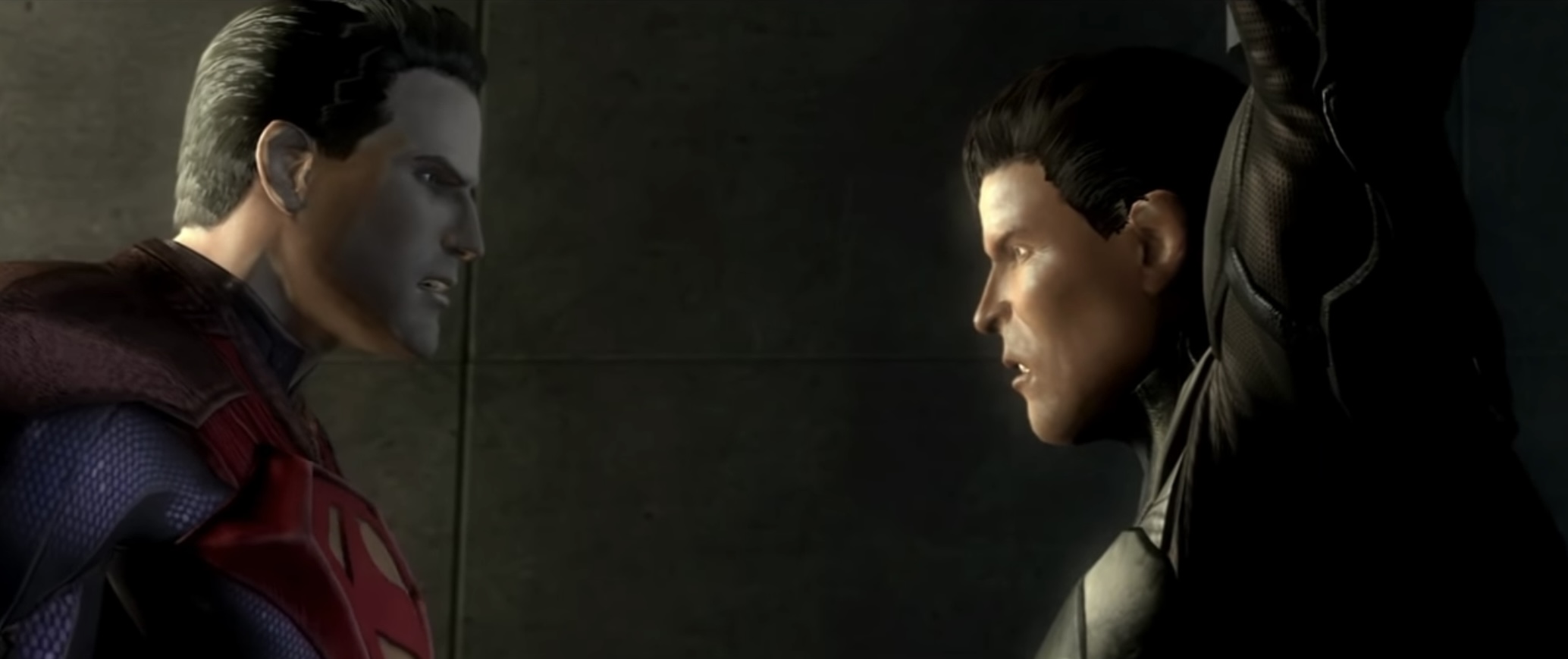
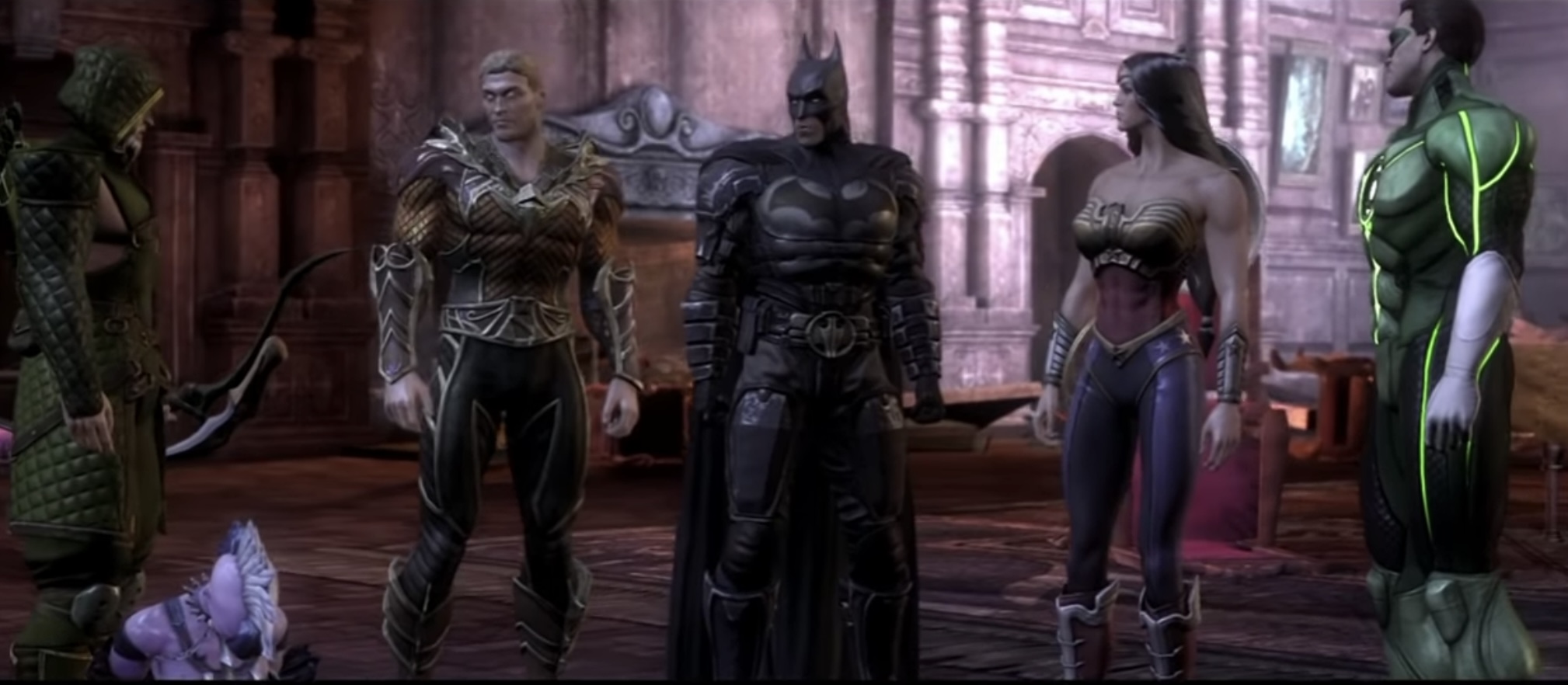
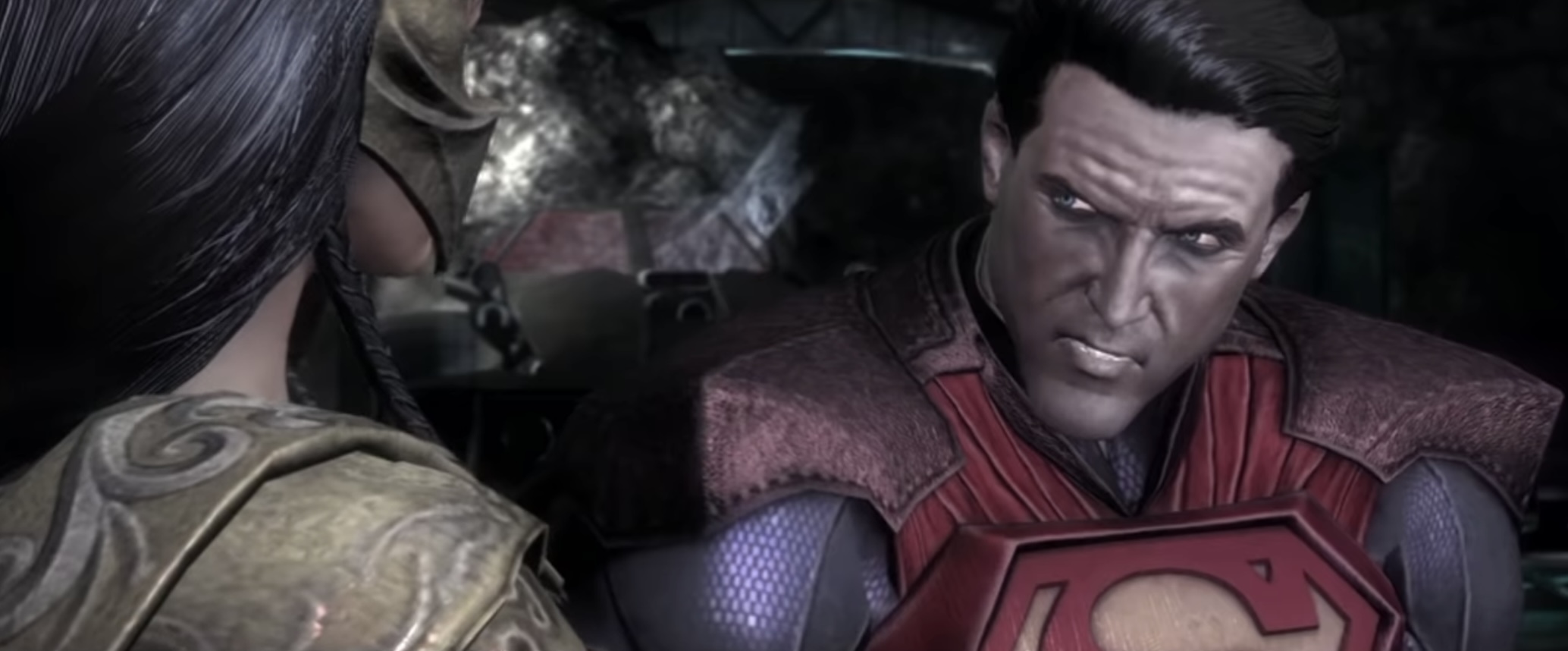
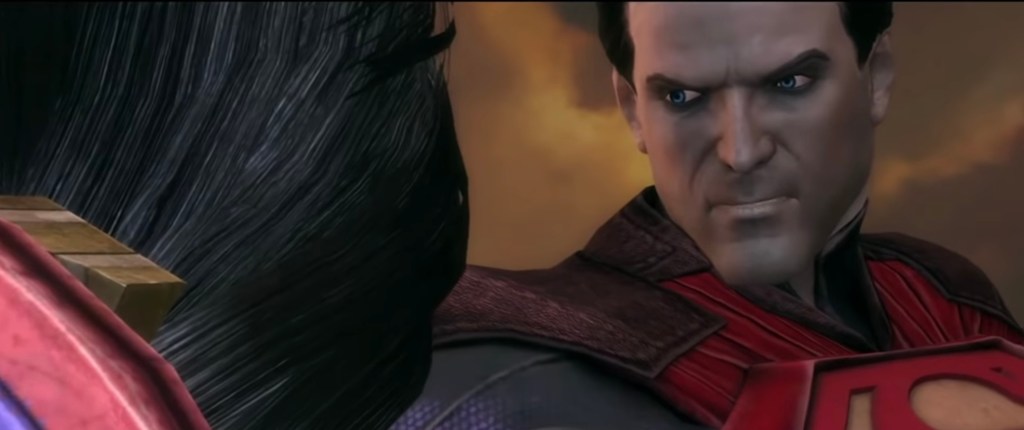
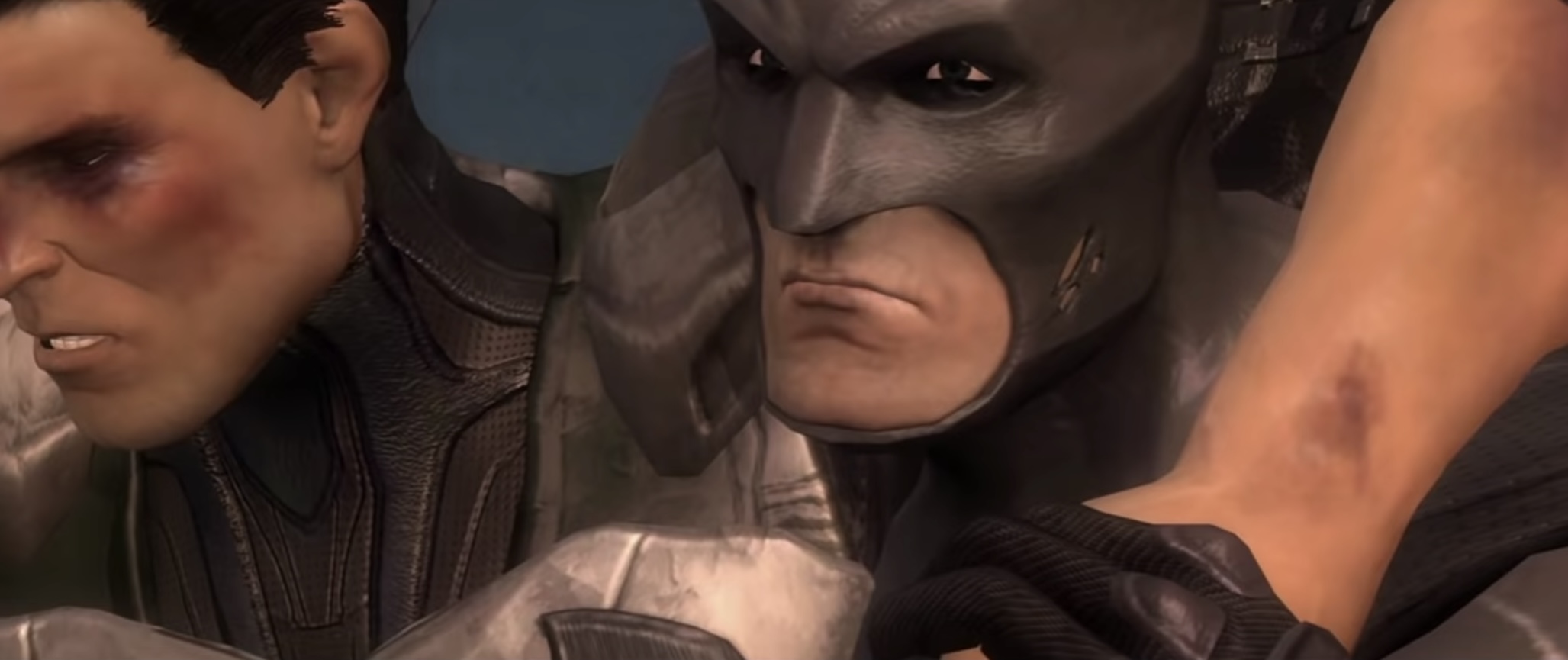
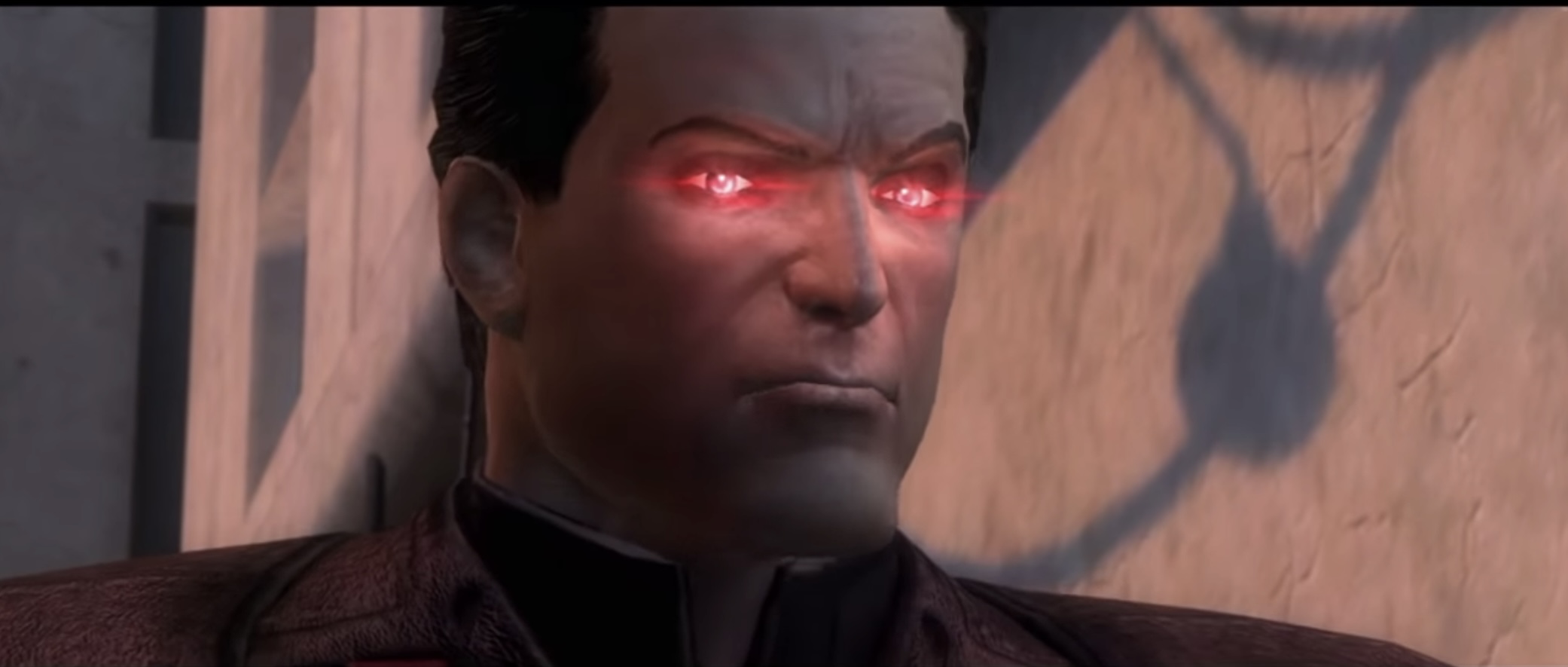
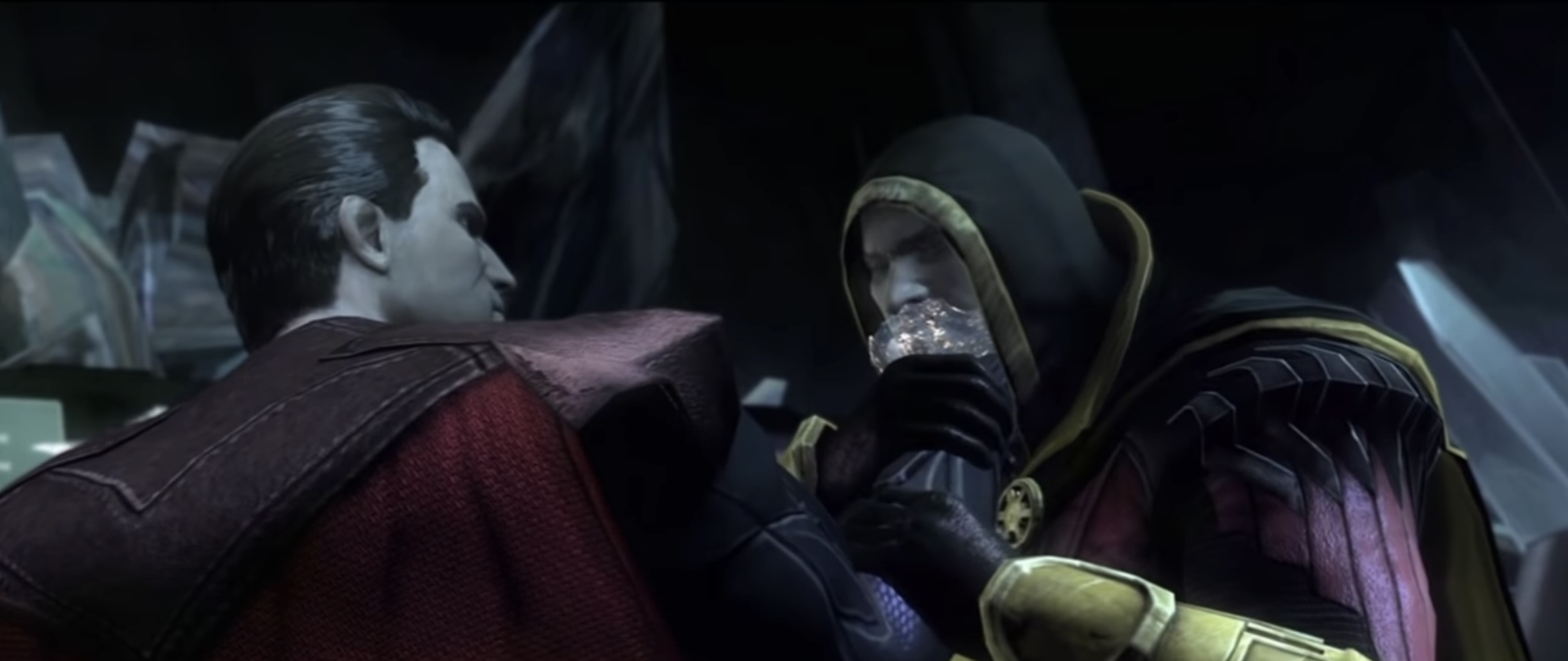
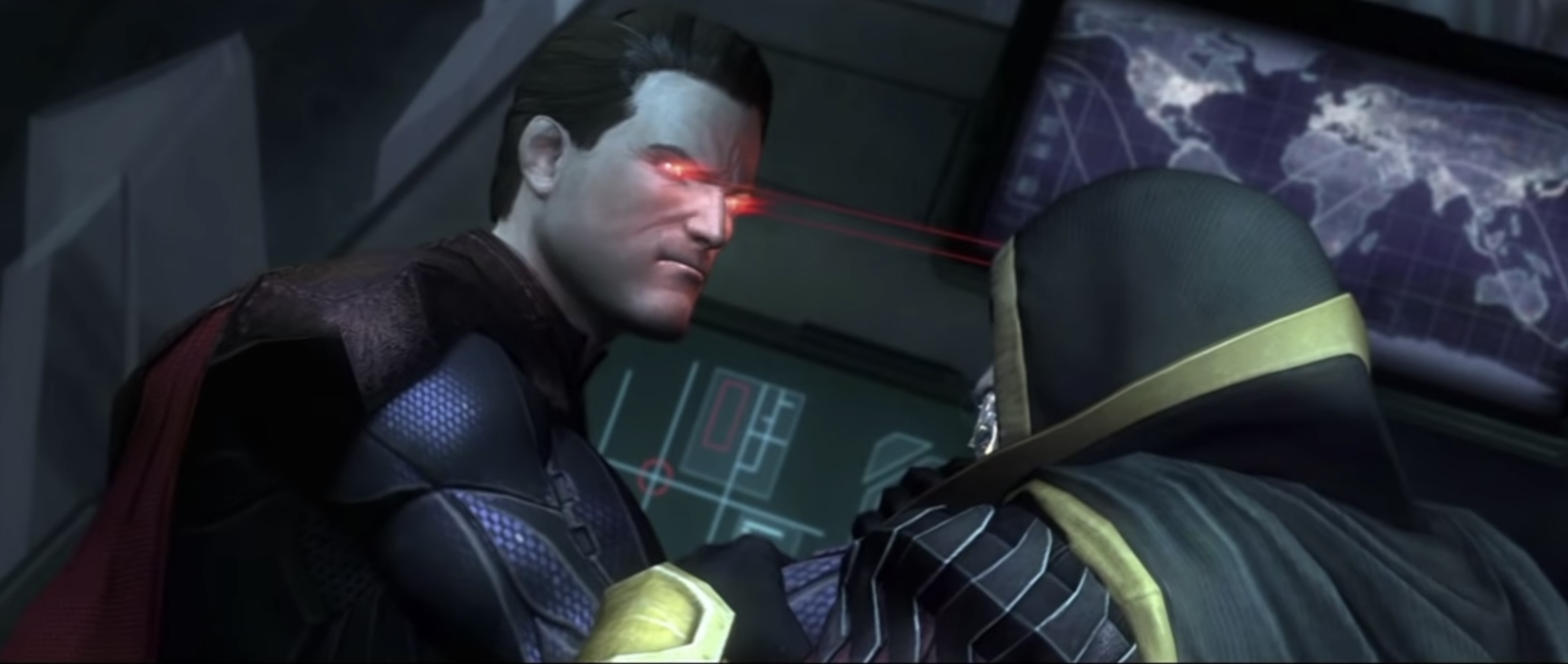
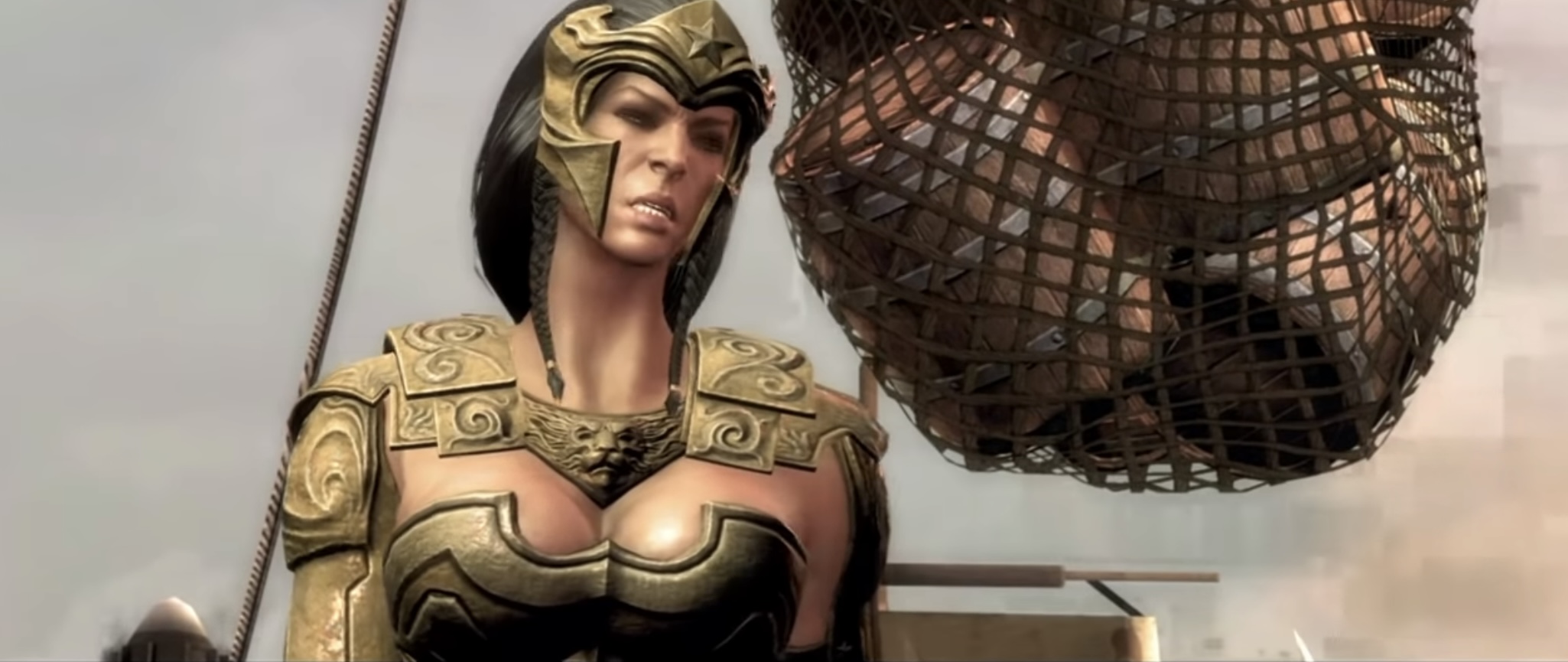
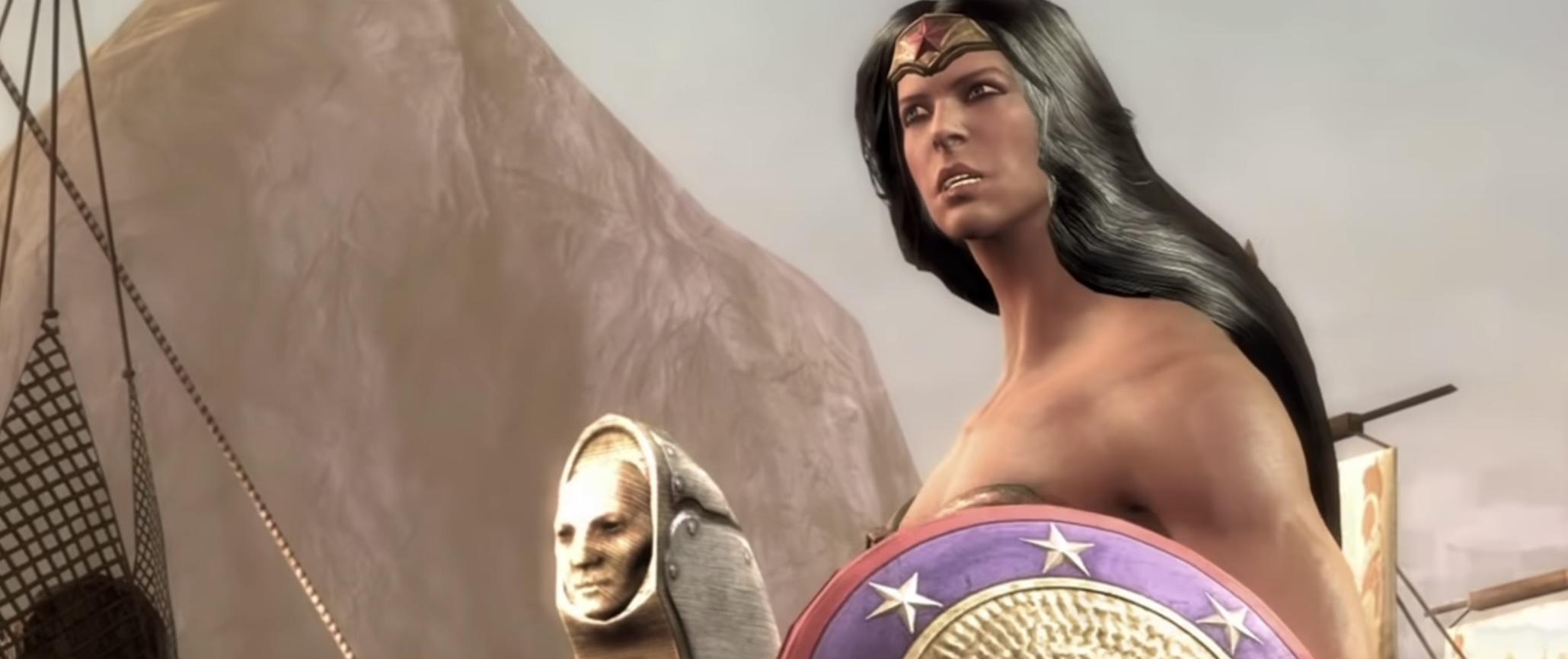
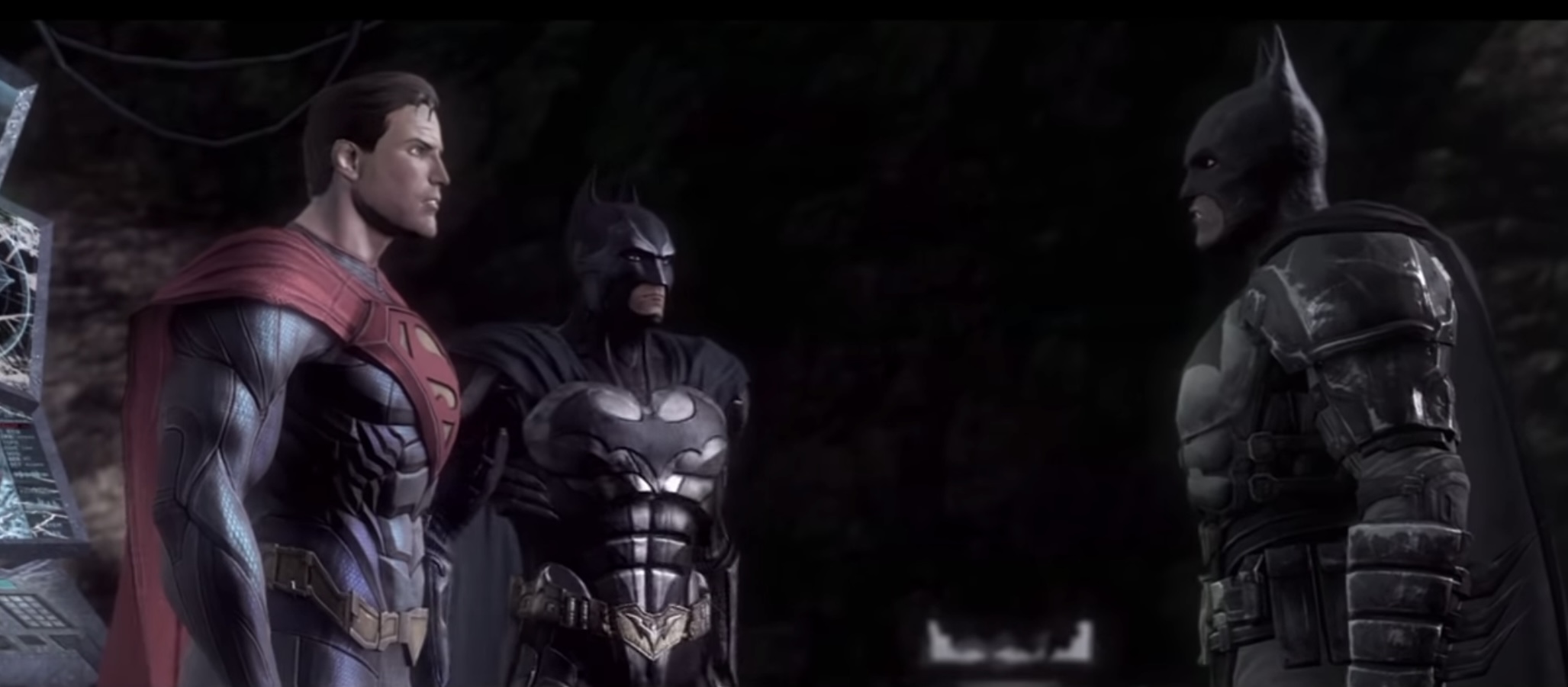
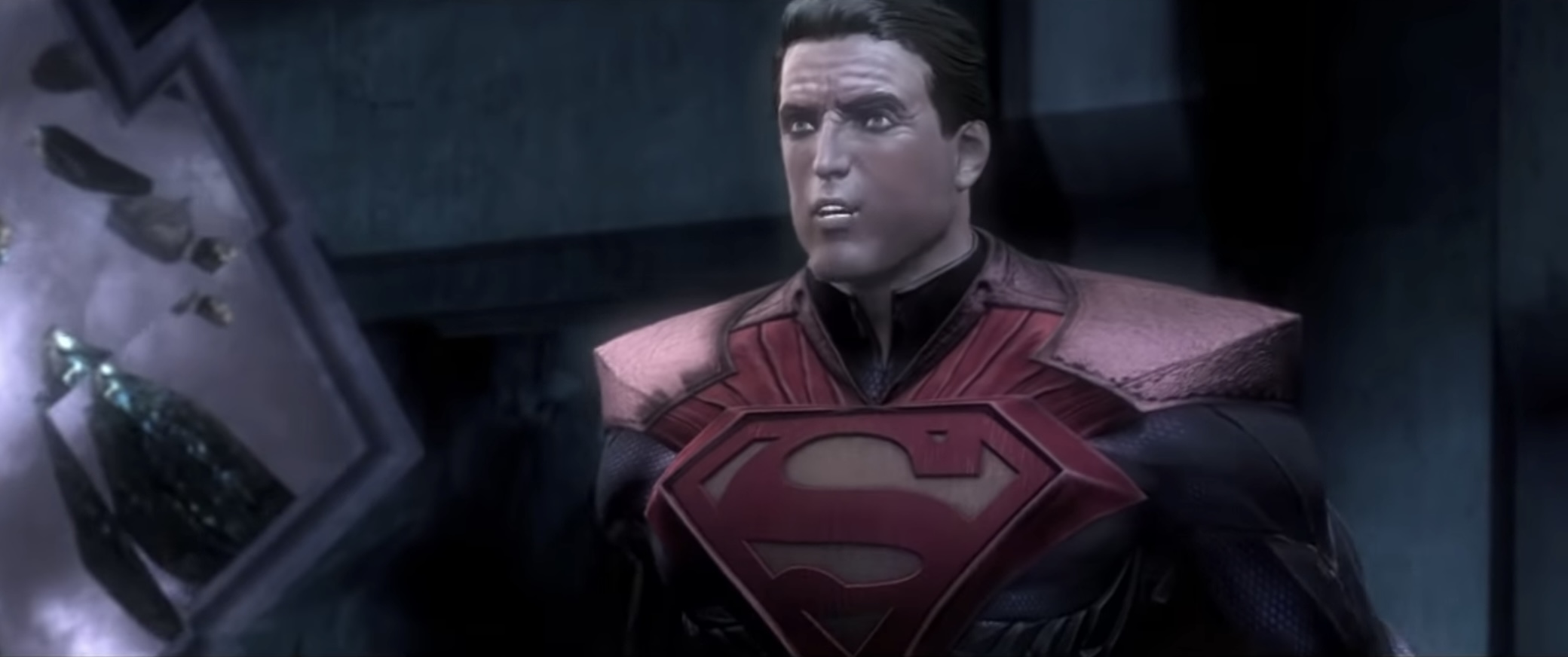
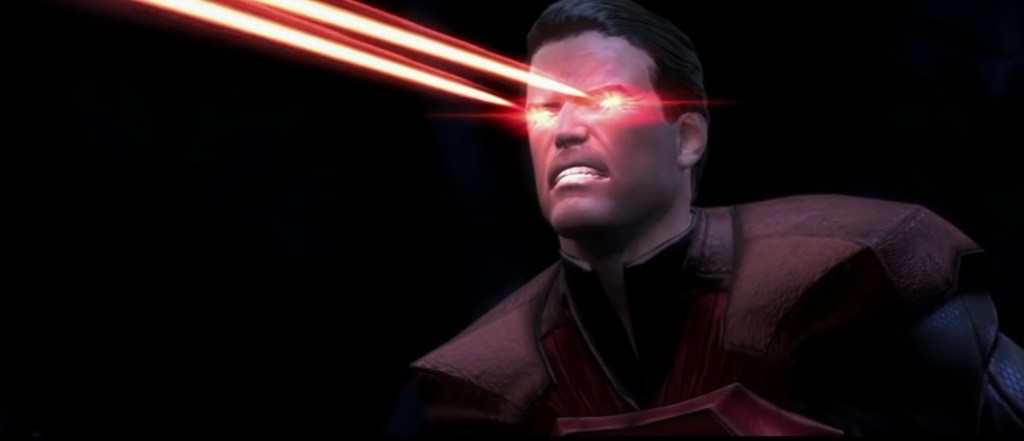
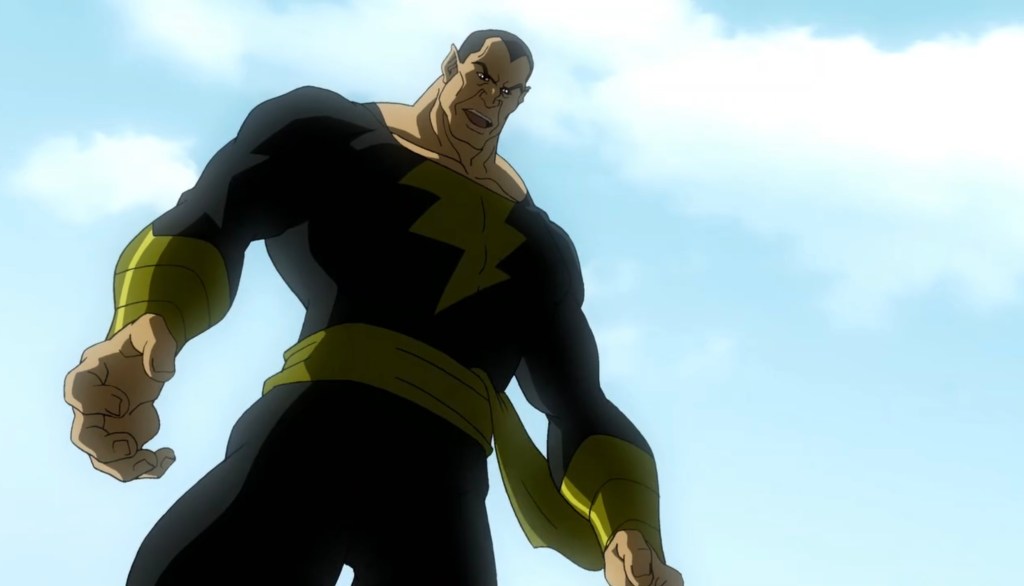
But contingency isn’t always experienced like this. For some, the instability of existence is just too much; realizing virtue doesn’t assure protection, sincerity doesn’t lead to dignity, and suffering reconfigures itself regardless of merit. Sure, I can look to Shrek as an example who undermines willed scripts and engenders chance forms of relationality. I can also empathize with Black Adam and the insistence that suffering must culminate in proportional justice within a world that continually frustrates that expectation. Figures like Superman and Captain Marvel/Shazam participate in care despite the absence of guarantees, as worlds like Shrek concede to the incidence of anomalies. However, Adam sees injustice and hegemony as elements that make compassion and restraint liabilities. He dramatizes what can happen when regret and rage calcify into ontology. A contingent world means that innocence can suffer meaninglessly, cruelty can prosper without punishment, and love or sincerity don’t attest to protection or dignity. There’s no intrinsic guarantee that pain culminates in justice nor that moral effort produces moral reward. The exigency of life as we know it requires accepting a fundamental doubt and resistance to absolutes, especially in terms of outcome; but Adam can’t accept this because a logic of betrayal, violence, and indignity define his lived experience. His concept of power refuses uncertainty, therefore he seeks to eliminate ambiguity by forcing order through supremacy—which is why his idea of justice becomes absolute instead of relational. Adam refuses contingency because it sustains iniquity through incoherence as the guilty flourish, the vulnerable remain unprotected, and sorrow occurs indiscriminately. Rather than accepting the limits of control, Adam strives to overcome any- and everything through domination which makes his violence just as metaphysical as political; it’s an effort to force a morally fractured existence into correspondence through power. It’s also just understandable. He represents the impulse to imagine that enough strength can reconcile pain and injustice into something intelligible or controllable. But—not unlike Injustice Superman—the irony is that the more absolutely he tries to impose order, the more he recreates the same cycles of fear and suffering that convinced him contingency was intolerable in the first place.
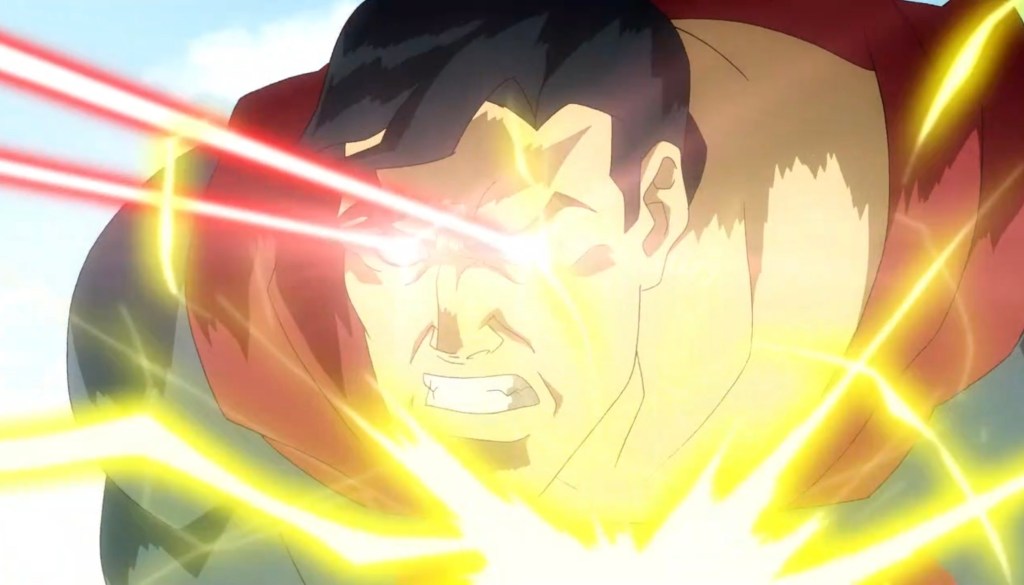
Another thing to consider is that his worldview comes from the very moral order that later condemns him. Adam was empowered by divine authority, entrusted with immense force to enact reckoning, only to later become denounced for embodying that logic too completely (Ordway, 1995). The contradiction raises the question: what exactly differentiates a righteous protector from a tyrant when both are empowered to impose justice upon others? Clark and Billy keep themselves in check even with their superhuman strength, accepting the painful reality that neither pain nor adversity can be overcome exclusively by force. By contrast, Adam sees keeping oneself in check as complicity within a world that vindicates cruelty, humiliation, and inequity to go on unchecked. The core tragedy of Adam is that he was initially granted the powers associated with imagination, wisdom, and transcendence—only to grow incapable of imagining vulnerability, mercy, or uncertainty as survivable conditions of existence. Instead of allowing power to expand his capacity for relationality or ethos, it cements his conviction that supremacy is the only means that can overcome. And while that conviction compels him to abolish contingency through supremacy, it eventually consumes him and thereby prevents him from partaking in the very integrity that once made adversity meaningful as opposed to totalizing. When power is reframed as ontological or inevitable, it collapses moral worth into hierarchy wherein superiority negates obligation. Once that logic is accepted, vulnerability nullifies compassion and serves to justify control, indifference, or violence.

Self-awareness can foster humility, accountability, and ethical reflection, but it can just as easily harbour superiority. Adam interprets injustice and disparities of power as evidence that domination is warranted, absolving himself of reciprocity because those deemed lesser aren’t relevant beyond being managed, discarded, or destroyed. He doesn’t relish cruelty; he just concludes that his power places him above morality altogether, transforming violence from a failure of ethics into what he perceives as the natural consequence of existential distinction. This logic invokes many historical ideologies that justified oppression through claims of superiority. Imperialism, racial supremacy, eugenics, fascism, caste systems, and certain theological or civilizational scales all operate on the belief that those perceived as ‘higher,’ more rational, more evolved, or more powerful are therefore entitled to rule, discipline, exploit, or destroy those deemed inferior. The danger of Adam’s worldview lies in how it naturalizes oppression by reframing domination as the fated expression of ontological hierarchy instead of a moral choice. When power becomes understood to evince ethical worth, marginalized positionalities aren’t seen as subjects who deserve reciprocity and care. They’re seen as abstractions, obstacles, or expendable lives. Therefore, Adam historically personifies a recurring and dangerous albeit uniquely human impulse: the tendency to transform disparities in power, intellect, authority, or technology as grounds for placing oneself beyond compassion, reciprocity, and ethical limitation.
But Adam’s frustration emerges because he sees how frequently appeals to empathy, fairness, or shared humanity fail to prevent cruelty, exploitation, or indifference. Even ordinary behaviour is more shaped by incentives and deterrence, not pure altruism; and because people are inconsistent, self-interested, and susceptible to corruption, they shouldn’t meaningfully participate in determining ethical life at all. Power therefore shifts from accountability between persons to domination over them. When fear primarily organizes principles of justice, people may obey outwardly while becoming more alienated, resentful, dependent, or brutalized inside. Fear can suppress behaviour, but it doesn’t necessarily cultivate wisdom, care, reciprocity, or moral maturity.
Historically, this is why systemic coercion reproduces the same pathologies they claim to eliminate. When people are ruled chiefly through fear, empathy narrows, honesty becomes dangerous, survival eclipses solidarity, power concentrates, and violence becomes easier to rationalize indefinitely. That’s what makes Adam so tragic: he recognizes the reality of humanity—our capacity for selfishness, cowardice, and indifference—but his response fosters the same dehumanization he condemns. His worldview resonates with my own growing chagrin concerning the performativity and selective ethics I’ve repeatedly observed within institutional and supposedly ‘activist’ spaces: marginalized and privileged positionalities alike publicly rallying around visible causes during lockouts while comparatively few appeared during smaller strikes or amidst more localized inequities; individuals readily circulating slogans about distant crises while remaining comparatively indifferent to the precarity and indignities surrounding them—and myself—materially and interpersonally. It’s a logic that starts as people fail each other and concludes people therefore no longer deserve meaningful agency, vulnerability, or mercy. Except what I’m describing isn’t just cynicism or nihilism. It encompasses an accrued moral exhaustion from repeatedly witnessing disjunctions between professed ethics and lived behaviour. My neurodivergence likely intensifies this, making me especially sensitive to inconsistency, performativity, selective outrage, and the incongruity between stated principles and those enacted in ways many people seem more willing and able to compartmentalize. Hypocrisy underscores the ways in which people align themselves with causes that are socially visible, trendy, or low-cost while remaining aloof or ignorant to suffering that is proximal, inconvenient, or structurally encoded in everyday life.
And honestly, those observations aren’t wrong. More often than not, people are inconsistent wherein institutions reward appearances and symbolic participation (Ahmed, 2012, p. 29, p. 130; Goffman, 1959, p. 58, p. 128, p. 199). They fail to sustain solidarity when it gets costly, uncomfortable, materially risky, or insufficiently legible socially (Berlant, 2011, p. 2, p. 41; Brown, 2015, p. 86, p. 87; Dean, 2009, p. 10, p. 17). I can relate to Adam because he interprets these contradictions as proof that humanity is fundamentally unworthy of care, kinship, or ethical investment—which feels lucid after prolonged lived experiences of exclusion, instability, institutional betrayal, and watching people behave opportunistically or selectively compassionate. I’d go so far as to say that disconnect between stated principles and actual conduct feels ontologically offensive, like life itself is structured around tolerated insincerity. However, there’s a distinction to be made between the fact that people are problematic and are therefore unworthy of safety or protection. The latter flattens reality into total contempt, and total contempt has a way of obscuring the things—continuity, commitment, sincerity, longing for a meaningful vocation—my own life shows still matter to me. If I was entirely onboard with Adam, lacking those things wouldn’t hurt me so much. Moreover, my anger presupposes that I still believe people should be more reciprocal, attentive, compassionate, and accountable than they often are.
Which makes Clark compelling in comparison. Not because he naïvely believes people are good by default, but because he sees humanity at scale—wars, hypocrisies, prejudices, corruption, and betrayals—and continues to identify with people instead of above them. My dad always says that one’s character is developed by one’s foundation; by the conditions of care, guidance, love, and upbringing that teach someone how to relate to others and the world. I think that’s also part of what makes Superman distinctly Superman: even though he has every reason—and ability—to differentiate himself from us, Jonathan and Martha Kent laid the foundation whereupon he understood strength through responsibility, reciprocity, and care rather than domination. He experiences alienation, grief, rejection, loneliness, and the pain of being fundamentally different; and he still refuses to let those experiences legitimate cruelty, contempt, or transcendence beyond humanity. And in many ways, that’s why Clark—my Clark—reminds me so much of him. All the exclusions, tensions, vulnerabilities, and hardships he’s faced give him ample reason to become hostile or fearful. I’ve known other felines who have—needing costly medication or other accommodations—and they dealt with less. But Clark chooses trust, intimacy, and play in life over nerves or resentment. Although I can narratively understand why Clark Kent piously perseveres given the Kents as his moral foundation, I honestly don’t know why my Clark chooses likewise. A sentimental side of me likes to think that his own lived experience taught him that closeness, affection, and care are survivable and meaningful despite all else. Experts note that cats—somewhat like people—are shaped by relational continuity, routine, touch, tone, and environmental safety (Ellis et al., 2013). It’s not that cats are less emotionally complex than people, but that their relational world is generally more immediate and experiential as opposed to organized around abstract counterfactuals, status comparisons, or imagined alternate lives (Bradshaw, 2013, p. 102, p. 124, p. 190). Humans torment themselves with hypotheticals—“someone else could have loved me better”; “I should have had a different life”; “this would have been ideal under other conditions”—whereas cats don’t proffer attachment through such symbolic comparisons. They associate more with lived continuity like who reliably feeds and comforts them, where they feel safe, whose presence regulates them along with what spaces, voices, and routines become emotionally meaningful (p. 133, p. 157). Additionally, cats are distinctly honest creatures relationally as they’re not inclined to make do (p. 146, p. 195). If they’re unhappy, unsafe, or emotionally disconnected, they behaviourally express avoidance, chronic stress, aggression, withdrawal, dysregulation, compulsions, and a refusal of proximity (Overall, 2013, p. 377, p. 642). I always figured that Clark’s bond with me has been largely circumstantial since he lacked alternatives, but all attachment is partly circumstantial. None of us choose from infinite realities. Love and connection happen within the actual conditions of lived life.

Part of what gets me is that I’m admittedly trying to locate a fully rational, proportionate explanation for care. My neurodivergence compels me toward exhaustive analysis and the pursuit of clear, literal answers. But living beings aren’t always so deterministic. Sometimes, pain narrows beings inward; sometimes, attachment persists alongside pain. The care Clark shares isn’t merely a survival calculation. And honestly, the fact that his life isn’t only exclusion or hardship counts for something. I tend to compress life into its wounds because wounds feel morally urgent, but Clark’s life also contains care and relational continuity in years of being loved, pet, protected, noticed, and centered. There’s also his personality. Just as people differ, animals do too. Some are more inclined to connection even after adversity. Clark has an open, affiliative disposition despite stressors around him. That’s just who he is. More importantly, hostility isn’t the only valid response to suffering. Clark [Kent] keeps caring although he experiences alienation while Billy contends with precarity but stays kind, whereas Adam experiences suffering and becomes absolutized by it. My Clark is content even as he’s been the mighty albeit maladroit odd one out. This doesn’t mean suffering is insignificant; it just means suffering doesn’t determine every being identically. The reason Clark moves me so deeply is because he unsettles a belief I carry about myself and the world; that enough pain overrides heart and hope. Clark contradicts that every time he calls, bunts, or purrs instead of bristling. He doesn’t grade me based on an abstract moral calculus of ideal caregiving. Not only that, but love isn’t disproven by limitation. No one can get rid of illness, aging, fear, uncertainty, or mortality. That Clark developed CKD or experienced stressors means he—like everyone else—is a being living within a finite world, not that my love lacks meaning. Furthermore, feline behaviourists would likely wage that his life has always held enough care and continuum for warmth to remain viable (Turner, 2017, p. 301).
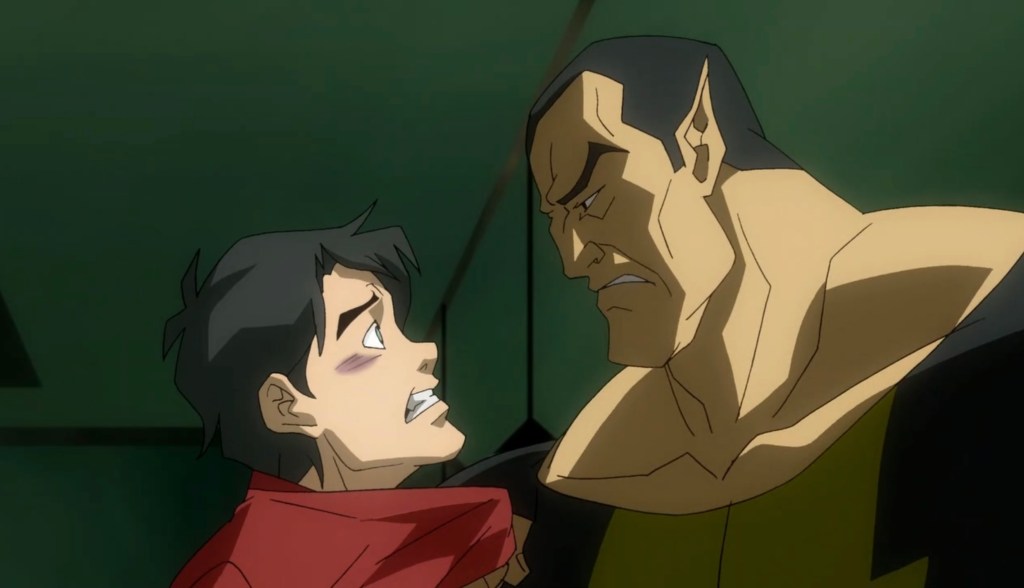
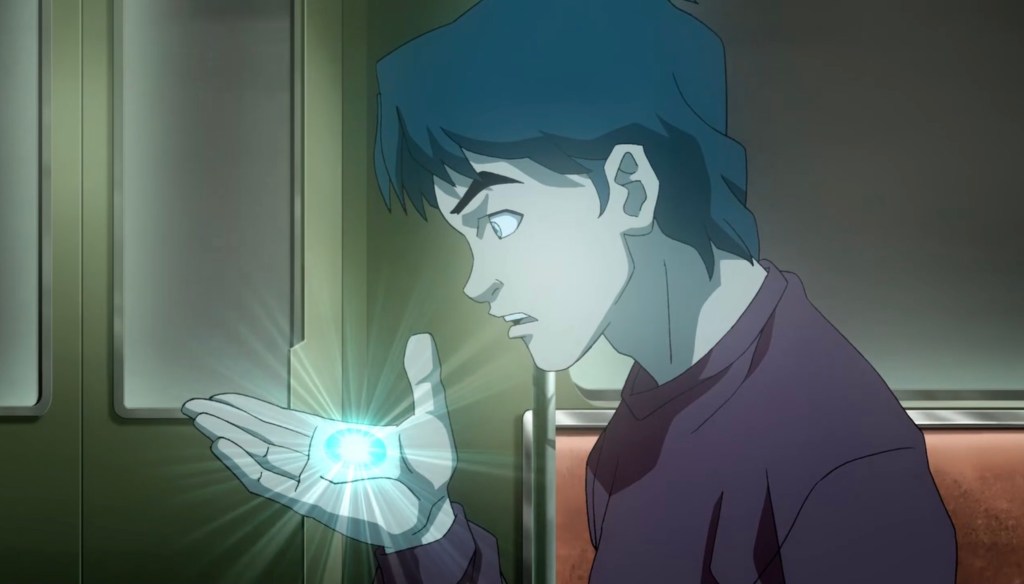
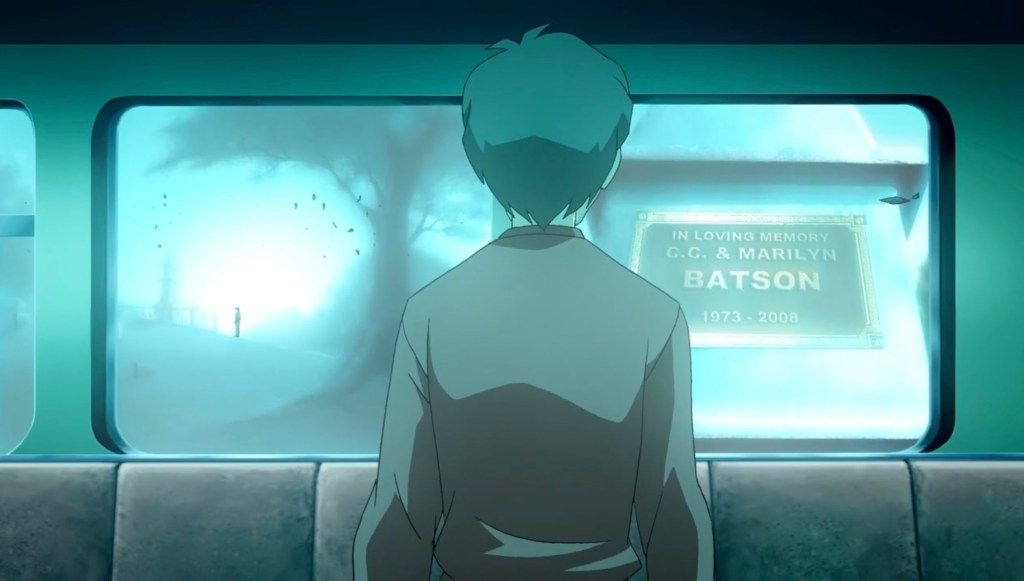
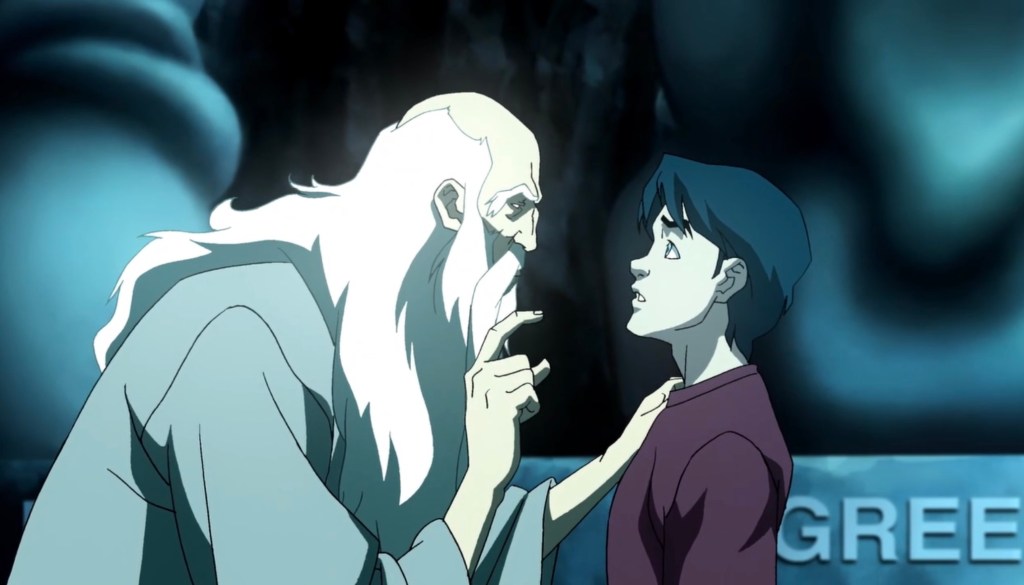
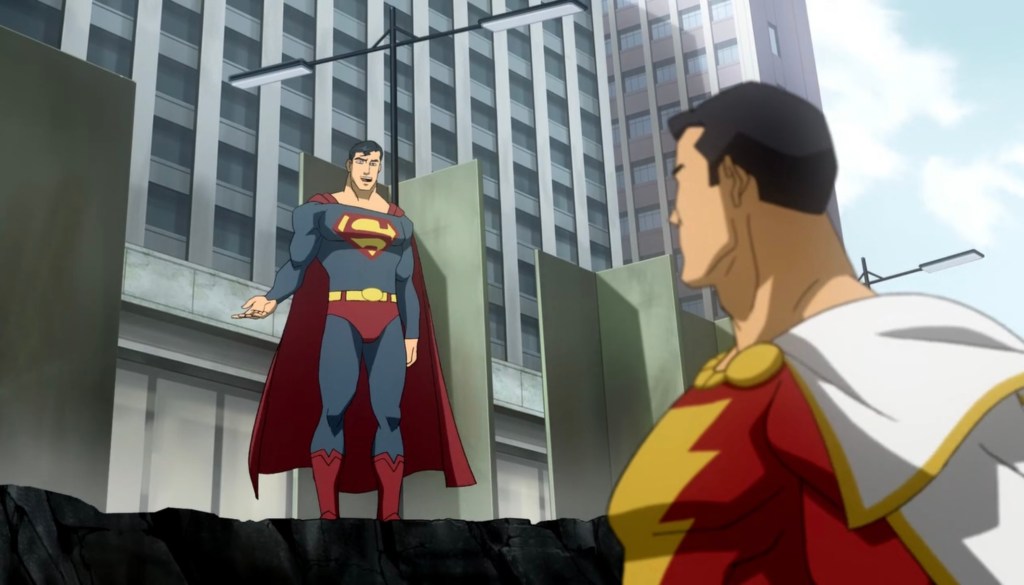
Which came to mind as I watched Superman/Shazam!: The Return of Black Adam (2010) in which Superman says that being a good person is difficult precisely because that’s something the world typically fails to acknowledge. The animated DC feature follows Billy (Zach Callison), an orphan living improvidently in Fawcett City who fares against exploitation and recurring violence. However, Billy is notably compassionate and earnest despite his hardships for which Clark Kent (George Newbern) reports. One of the most affecting exchanges occurs as he treats Billy to breakfast, the latter candidly of whom expresses a growing disillusionment. Billy muses on what many people eventually confront in that neither being nor doing good reliably assure protection, dignity, fairness, or happiness. Goodness appears unrewarded while suffering persists indiscriminately. After enduring abandonment and precarity even as he tries to behave well, Billy reflects: “‘Be good, and good will follow.’ That’s what my parents always used to tell me. But you know, Mr. Kent, I was good before they were taken from me, I was good at the foster home, and I was good about fifteen minutes ago. I’m starting to think being good isn’t good for me…” Clark doesn’t dismiss his pain. He also doesn’t reassure him with simplistic platitudes. Instead, Clark concedes the difficulty of ethical life: “It seems that way sometimes, doesn’t it? But that’s why good is hard. Bad is always easy.” He reframes morality not as a transactional system wherein virtue guarantees reward, but as a difficult and ongoing choice made even in the absence of guarantees.
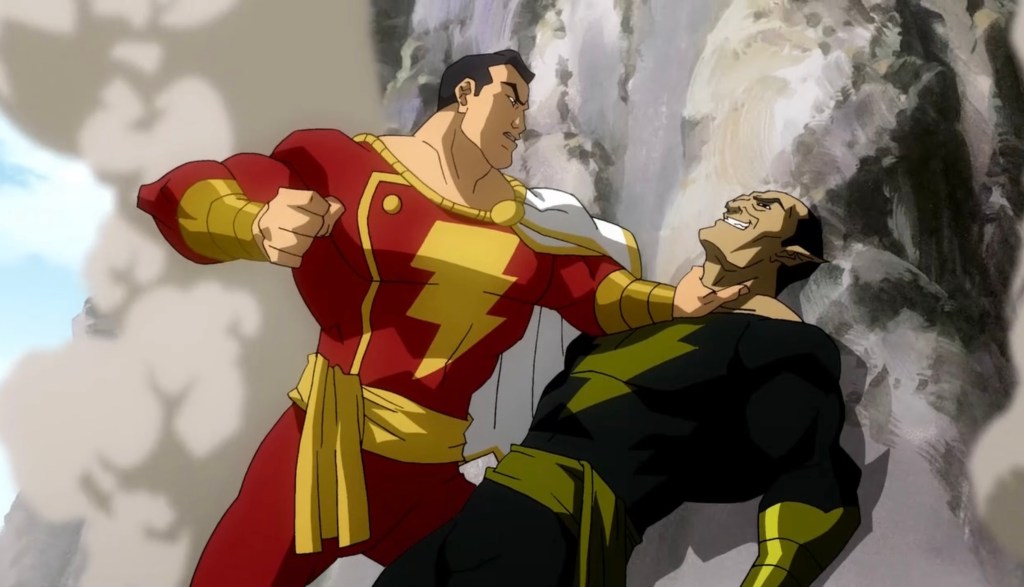
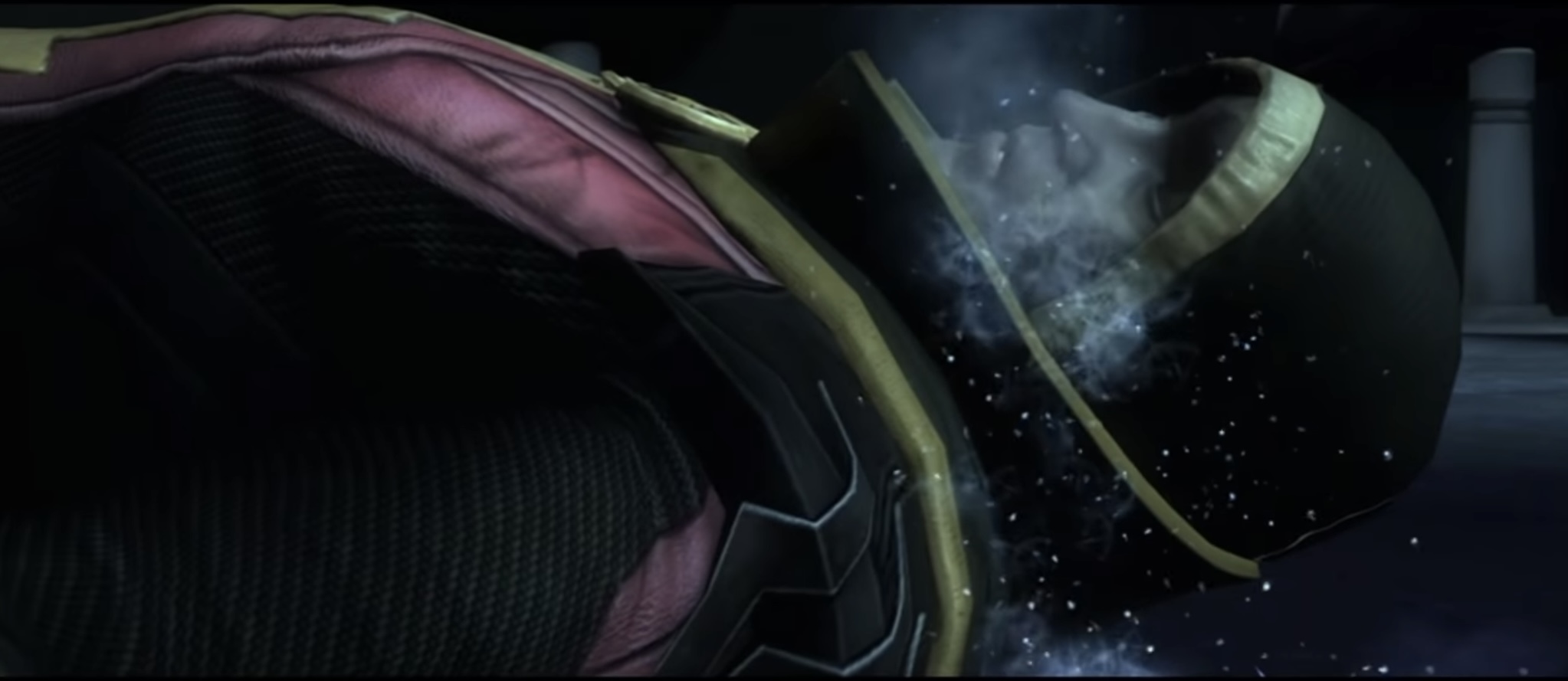
Later, when Billy—transformed into Captain Marvel (Jerry O’Connell)—nearly succumbs to the absolutist logic that strength takes precedence, Superman implores him to “be strong… be good.” Strength is redefined as good—principle, relationality, refusing to let suffering justify cruelty—the virtue that originally catches the eye of the ancient wizard, Shazam (James Garner), who chooses him as his new champion. Thereafter, calling out “Shazam,” Billy transforms into the superpowered Captain Marvel, whose abilities are derived from mythic and divine figures. All this coincides with the return of Black Adam (voiced by Arnold Vosloo, who famously played the accursed Imhotep from The Mummy), established as the previous champion who was corrupted by absolutized power and rage after violent centuries of imprisonment. In an effort to reclaim supremacy, Adam seeks to destroy Billy, asserting that force and domination are the only viable responses to humanity’s cruelty and corruption. Empowered by the gods, he believes himself to comprise a divine rank above reproach.

Part of why I empathize with Adam is because prolonged precarity, grief, and disillusionment can leave one feeling not simply hurt, but hollowed by a world that appears indifferent to sincerity, care, or moral effort. His absolutism resonates with the temptation to believe that enough power, certainty, or control could finally force suffering and injustice into coherence. What I feel isn’t merely disappointment, but a kind of existential grief over the instability of the life and future I tried so desperately to build. I structured myself around urgency for a reason: because I knew my health, energy, and future weren’t abstractions. I fast-tracked degrees, sacrificed ease and social life, endured isolation, and kept working because I honestly believed effort could buy time and security later. So, it’s not just frustrating when ‘later’ remains uncertain, it’s a betrayal of the bargain I thought I was making with life. Moreover, most of the things I wanted weren’t extravagant fantasies. Being a spouse, parent, homeowner, gainfully employed, and otherwise officially loved—these are ordinary human longings as forms of belonging and recognition. Formality and legal status matter to me because they symbolize being claimed publicly and securely. It’s not shallow to want that, especially after a life where so much feels provisional, unofficial, or contingent. I’m not mourning the absence of celebrity or grandeur; I’m mourning the absence of assurance, continuity, and a place to fully grow into adulthood with dignity. Living with Fahr’s intensifies this feeling because time doesn’t feel abstract to me. When my joints hurt more or I feel more unsteady, it’s not just ‘aging’ in a general sense; it evinces that my body is moving forward whether my life has stabilized or not. This speaks to a cruel tension: I pushed myself hard because time mattered, but pushing myself hard also cost me physically and emotionally, and now I fear I’ve spent precious energy racing toward futures that still have not materialized.

But I have to remind myself: collapsing this iniquity to affirm that I’m not meant for love, stability, or affirmation would be inaccurate. My life has undeniably contained delay, precarity, grief, and institutional failures; but these adversities aren’t proof that I’m unworthy or cosmically excluded. Clark can attest to the fact that adversities sometimes mean that the forms through which stability arrive are slower, stranger, or less linear than what we initially imagine. And amidst all this, Clark would likely wager that my life hasn’t amounted to ‘for naught.’ I’ve built scholarship, taught to acclaim, loved deeply, cared for vulnerable beings consistently, survived illness, maintained intellectual life under immense pressure, and continued seeking meaning instead of resigning to cynicism entirely. None of that erases my pain, but it means my existence has already had substance and consequence, even before the forms of affirmation I hoped for have fully arrived. Right now, though, I’m just so tired of carrying my entire future at once wherein everything converges into one overwhelming question: “Will my life ever actually settle into something safe and real before more is taken from me?”
That’s pretty heavy to live with every day.
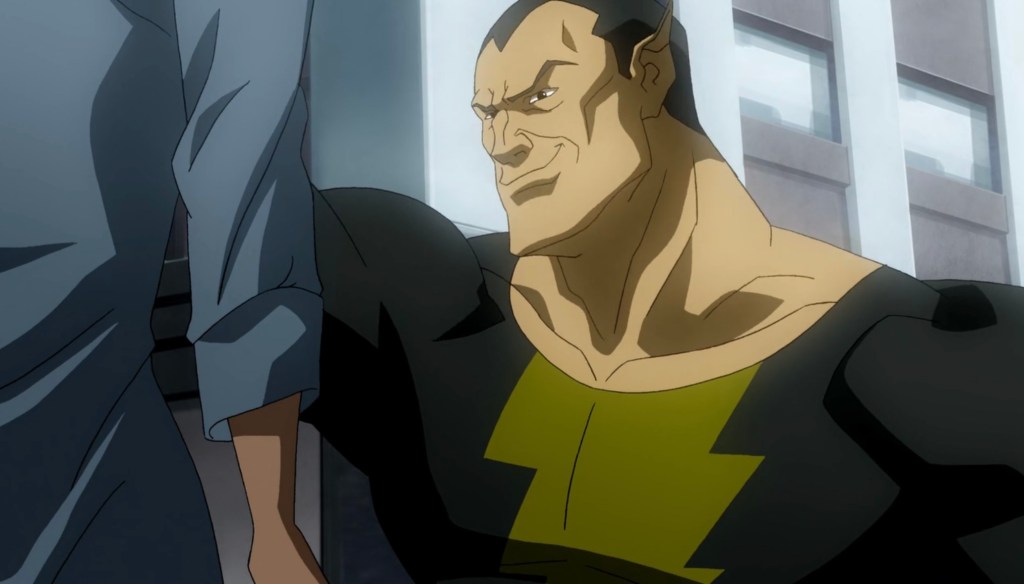
Wryly, while pessimism and precarity incline me to empathize with Adam, they ultimately drove me back toward God as opposed to supremacy or contempt. The core flaw of Adam is that he consolidates suffering, power, and moral authority into justification for domination rather than relational responsibility. However, my own grief and disillusionment—even when they leave me hollow or tempted by despair—have always pushed me to questions of meaning, love, mercy, and connection as opposed to abandoning them altogether. Even at my worst, parts of me still long to find some assurance that love, care, and relationality remain meaningful despite suffering, contingency, and loss. Theology gradually emerged from that longing—not because I suddenly acquired certainty, but because I wanted to understand suffering, contingency, grief, morality, and endurance within a social order that seems indifferent to them. There’s also something strangely fitting about this trajectory given the origin of my name itself: inspired by Fallon Carrington, yet deliberately spelled “Fallen” by my mother because she thought of me as sweet as an angel who had “fallen” to her. Even if that’s not what “fallen angel” traditionally means, the irony is difficult to ignore now that so much of my life has become preoccupied with questions of exile, grace, suffering, redemption, and whether love can persist meaningfully within a fractured world.
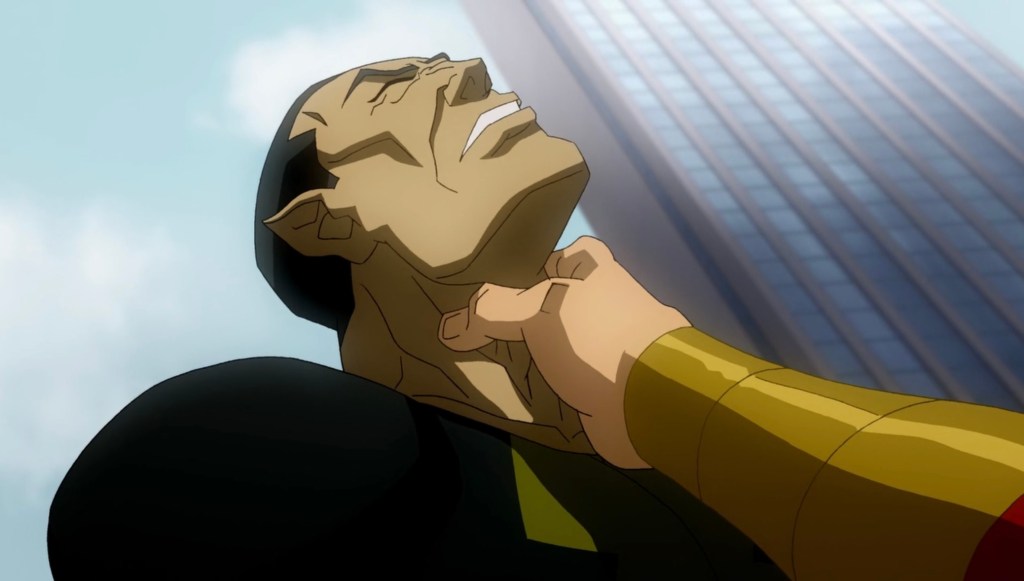
A great many people of faith—including deeply devout theologians, monastics, and saints—have also lived inside that exact tension between belief and understanding. Believing God exists is not the same thing as feeling emotionally assured by Him, or feeling certain about what our own lives are supposed to mean (Kierkegaard, 1980, p. 39, p. 85). What hurts for me isn’t the suffering; it’s the absence of interpretability. I can endure hardship more easily when it coheres into something intelligible—vocation, love, justice, redemption, purpose—but when suffering accumulates without clear resolution or reassurance, it starts to feel less like sanctification and more like erosion. Even many canonized figures were not perpetually serene. Teresa of Ávila complained bitterly to God at times (Teresa of Ávila, 2008, p. 74, p. 189, p. 365). John of the Cross wrote about spiritual desolation and absence (John of the Cross, 1991, p. 361). Thérèse of Lisieux struggled near the end of her life with profound spiritual darkness and intrusive doubts concerning heaven, meaning, and faith itself despite her devotion (Thérèse of Lisieux, 1996, p. 174, p. 214). And in Scripture, lament is everywhere: Job demanding an explanation (Job 3; 30:20-21); the Psalmists crying out in abandonment (Ps. 13; 22:1; 88); Christ Himself asking why He had been forsaken (Matt. 27:46; Mark 15:34). The absence of felt certainty is not necessarily the absence of faith. Sometimes, faith is just refusing to completely sever a relationship with God even while confused, wounded, or angry.
There’s also something to be noted in mourning a particular image of life—not just worldly achievement, but a coherent narrative—that holds love formalized, a stable home, meaningful work, reciprocal care, and my body carrying me steadily into such a future. Now, I fear that perhaps God’s will for me is a smaller, lonelier, more constrained existence than the one I hoped for. That fear makes spirituality more frightening than comforting, because surrender translates to relinquishing the things I wanted most. But there’s a difference between the prospect that my life may transpire differently than I imagined and the idea that God created me only for loss.

Retrospectively, the saints are remembered as peaceful and assured, but many of them lived without seeing resolution in their own lifetimes. What later generations call ‘holiness’ felt, from inside the experience itself, like exhaustion, obscurity, grief, confusion, waiting, and continuing anyway (Merton, 1953, p. 199, p. 238). Additionally, theology doesn’t actually teach that longing for love, home, recognition, companionship, or stability is wrong. Those desires are human. Even monastic and ascetic traditions are not rejections of love; they are alternate structures of devotion and belonging (McGinn, 1991, p. 133, p. 218, p. 226). The ache I feel—anyone feels—isn’t evidence of moral failure. Right now, though, I acknowledge I’m exhausted spiritually; not rebellious against God so much as unable to locate myself securely within the story I thought my life was moving toward. Understandably, that can produce despair because the future stops feeling inhabitable. But despair isn’t the same thing as finality. Despair is what remains after one carries uncertainty, grief, fear, effort, and longing for too long without enough rest, recognition, or reassurance in return.
Putting that in perspective challenges the sense of failure I’ve internalized, because it’s not really failure; it’s life stripped of the forms of mutuality and assurance I hoped—and was promised—would accompany my gifts. People have always told—and still do tell—me that I seem easy to talk to since I’m not judgmental and can tell a great story. When I imagine my future as a priest, I think of maintaining a parish and delivering sermons evenly, then going home to watch movies or something since nobody saw fit to stay with me interpersonally and I’d have outlived most of my beloveds. I see myself as courteous, resolved, and fair albeit going through the motions. Which strikes me as not that unlike the present in that this scenario is emotively asymmetrical as I become someone others rely upon, confide in, and are comforted by—while privately feeling fundamentally unchosen myself. A kind priest who listens well, tells stories, eases tension, tends a parish faithfully…yet returns home carrying an unspoken grief that nobody fully stayed, formally claimed, or built permanence with me.
My desires aren’t acquisitive either. Even when I think about employment or stability, I frame that relationally to aid others, dignify beloveds, memorialize, or build a home of care and continuity. The world behaves as though even reasonable hopes require extraordinary luck, timing, health, money, institutional approval, emotional compatibility, and social fortune all at once. Most of us are taught that if we work hard, love sincerely, and remain morally serious, those things will naturally arrive (Sandel, 2020, p. 36). But life’s far less orderly than that, and people who are thoughtful and conscientious feel this most painfully because they did everything right (Berlant, 2011, p. 52, p. 64, p. 229). But even in my bleakest projection of myself, I’m still someone who offers care rather than bitterness. I still see myself giving good vibes, helping people speak, telling stories, and remaining approachable—which speaks to how some part of me instinctively moves toward connection and stewardship over cruelty or indifference, despite how disappointed I feel by life. And honestly, many people would likely find solace in a priest who understands ambiguity, sorrow, regret, and the exhaustion of carrying on without easy reassurance; someone who doesn’t speak in polished platitudes about suffering because she has actually sat inside it. Wherever I go, my flat humour, references, and resolve work because they don’t feel performative or superior. However, what I imagine isn’t exactly prophetic. My life isn’t static even if it feels stalled. I’m still in a relationship, being sought professionally, entering theological formation. I still maintain communities, students, writing, friendships, parish involvement, and deep bonds with beings like Clark. None of that guarantees the exact future I want, but neither does my present pain conclusively predict permanent abandonment.

And another thing is happening beneath this: I’m mourning the possibility that nobody will ever fully know how hard I tried, not just the possibility of being alone; that my life will look externally ‘functional’ while internally containing major longing and sacrifice. But lacking gainful employment at a certain age, becoming clergy, or living quietly doesn’t mean one was unloved, unwanted, or cosmically passed over. Human lives rarely resolve as neatly as the narratives we inherit about timing, milestones, and adulthood (Arnett, 2015, p. 8, p. 144, p. 166). The future version of me I see—the priest watching films alone after parish duties—might also still be someone loved by people, depended upon, remembered warmly, intellectually alive, spiritually meaningful to others, and capable of tenderness. Loneliness and meaning are not identical things, even though they can coexist painfully. Plus, the fact that I can imagine this future in such detail means I’m able to imagine a future at all. Even in despair, I can still see myself continuing, speaking, tending, watching films, connecting stories to people’s lives.
In the end, maybe that’s why Clark feels so bound to all of this for me—Superman, theology, bereavement, perseverance, and the resolve of care in a contingent world. Although I named him after Clark Kent, I later learned that “Clark” etymologically derives from cleric (re: clergy) which now feels strangely providential given how my despair eventually circled me back to a theological vocation as well as questions of grace, anguish, and meaning. In many ways, Clark ultimately brought me closer to the ethical tension at the heart of this film; whether suffering culminates in domination and despair like Adam insists, or whether one can continue choosing kindness, relationality, and good despite lacking guarantees that the world will reciprocate them fairly, as Billy and Clark [Kent] try to do. For me, [my] Clark became more than a pet or namesake; he became a living contradiction to the parts of me that believed suffering must inevitably override warmth, trust, and hope. And perhaps what I hope most—more than certainty, achievement, or even reassurance—is that he has always known how much he’s loved. Not abstractly or conditionally, but as one of the beings who made this world feel inhabitable and meaningful to me despite everything.
♫ Title song reference – “Look Up” by Daley
References
Ahmed, S. (2012). On being included: Racism and diversity in institutional life. Duke University Press.
Arnett, J. J. (2015). Emerging adulthood: The winding road from the late teens through the twenties (2nd ed.). Oxford University Press.
Berlant, L. (2011). Cruel optimism. Duke University Press.
Bradshaw, J. (2013). Cat sense: How the new feline science can make you a better friend to your pet. Basic Books.
Brown, W. (2015). Undoing the demos: Neoliberalism’s stealth revolution. Zone Books.
Dean, J. (2009). Democracy and other neoliberal fantasies: Communicative capitalism and left politics. Duke University Press.
Ellis, S. L. H., Rodan, I., Carney, H. C., Heath, S., Rochlitz, I., Shearburn, L. D., Sundahl, E., & Westropp, J. L. (2013). AAFP and ISFM feline environmental needs guidelines. Journal of Feline Medicine and Surgery, 15(3): 219-230. https://doi.org/10.1177/1098612X13477537
Goffman, E. (1959). The presentation of self in everyday life. Anchor Books.
The Holy Bible, New Revised Standard Version. (1989). National Council of Churches.
John of the Cross. (1991). The collected works of St. John of the Cross (K. Kavanaugh & O. Rodriguez, Trans.). ICS Publications.
Kierkegaard, S. (1980). The sickness unto death (H. V. Hong & E. H. Hong, Trans.). Princeton University Press. (Original work published 1849)
Merton, T. (1953). The sign of Jonas. Harcourt Brace.
McGinn, B. (1996). The foundations of mysticism: Origins to the fifth century. Crossroad.
Ordway, J. (1995). The power of Shazam! DC Comics.
Overall, K. L. (2013). Manual of clinical behavioral medicine for dogs and cats. Elsevier.
Sandel, M. J. (2020). The tyranny of merit: What’s become of the common good? Farrar, Straus and Giroux.
Teresa of Ávila. (2008). The book of her life (K. Kavanaugh & O. Rodriguez, Trans.). Hackett Publishing Company. (Original work published 1565)
Thérèse of Lisieux. (1996). Story of a soul: The autobiography of St. Thérèse of Lisieux (J. Clarke, Trans.). ICS Publications.
Turner, D. C. (2017). A review of over three decades of research on cat-human and human-cat interactions and relationships. Behavioural Processes, 141(3): 297-304.