
Sometimes, I look at Clark and wish I could give him the world. Not the world as it is exactly—with all its inequities, cruelties, and uncertainties—but something kinder. Like a beautiful home with endless windows through which he could watch the birds, warm places to sleep, and a life that lacked the indignities of illness and age. I wish I could give him the years that have already passed, the years that remain uncertain, and the years that will never be ours. Maybe more than anything, I wish that loving him as much as I do was sufficient to keep him safe.

But it isn’t. Clark has chronic kidney disease (CKD) and hypertension albeit neither diagnosis has thus far prevented him from being his affectionate, occasionally demanding self. He still calls for me; sometimes for food, sometimes for attention, and sometimes, apparently, because he’d just prefer that I come be by his side. He bunts my hands, sleeps beside my head, and shares an endearing companionship with Nora. There are moments when he seems perfectly content with his little world, even as I find myself lamenting all I can’t—and couldn’t—give him. More often than not, I wonder if I could’ve done something differently, something better; whether some oversight, some inadequacy, some circumstantial limitation of mine contributed to his health. Even though there’s no hard evidence that I failed, I return to the prospect as though attributing some error to myself would make his condition less arbitrary. Maybe guilt is easier to oblige than being helpless. If it’s my fault, then at least there’s something within my power to change. If it’s not my fault, then I need to face the humbling prospect that even our most earnest efforts can’t spare those we love from pain or loss.
That seems a really cruel feature of existence; that love should inspire such extraordinary feelings of responsibility while granting us so little authority over the circumstances of those to whom we devote ourselves. We can nurture, comfort, protect, and sacrifice; but we can’t negotiate with mortality. We can’t demand that the universe recognize the importance of someone just because that someone means everything to us.
And yet, I still wish that I could.
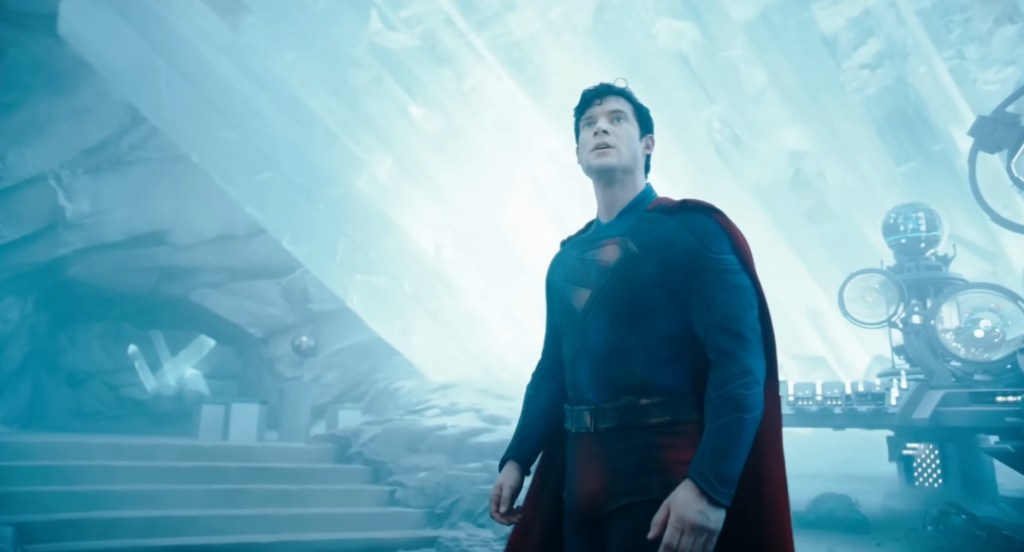
Maybe that’s why I’ve always found Superman such a fascinating character. He speaks to something beyond life as we know it, transcending the frailties of our mortality and awakening a longing within us for a world where love and hope aren’t rendered powerless by iniquity. When he takes flight, he transcends the tyranny of gravity; and despite having the power to bend the world to his will, he chooses tenderness over cruelty, compassion over contempt, and kindness against any pretext to wield his strength against those who possess so little of their own. Every effort to save others reaches into the heart of catastrophe to retrieve lives forsaken by fate. The impossible becomes conceivable through everything he embodies. He has the kind of power that I’ve spent most of my life wishing existed, especially when confronted with partiality that no care can allay.
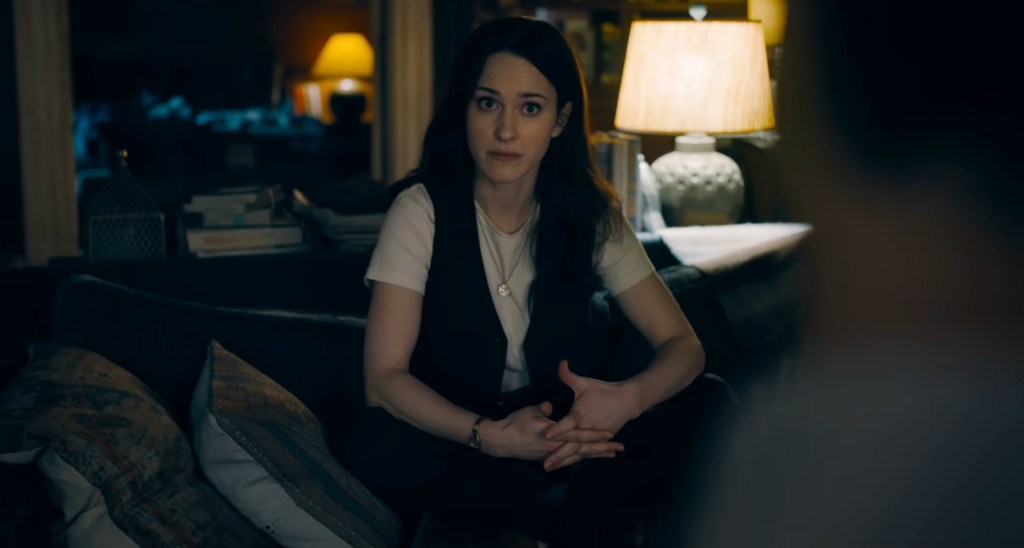
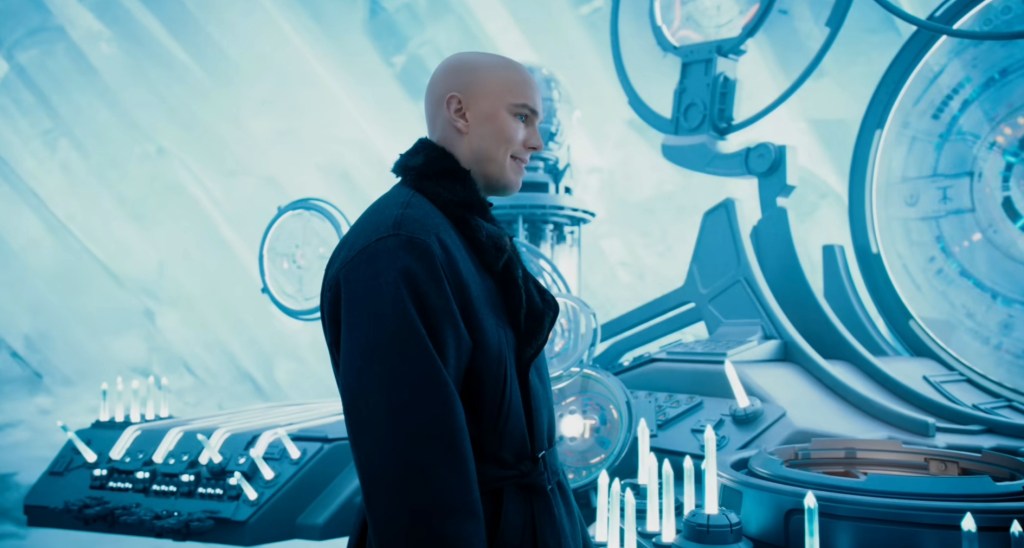
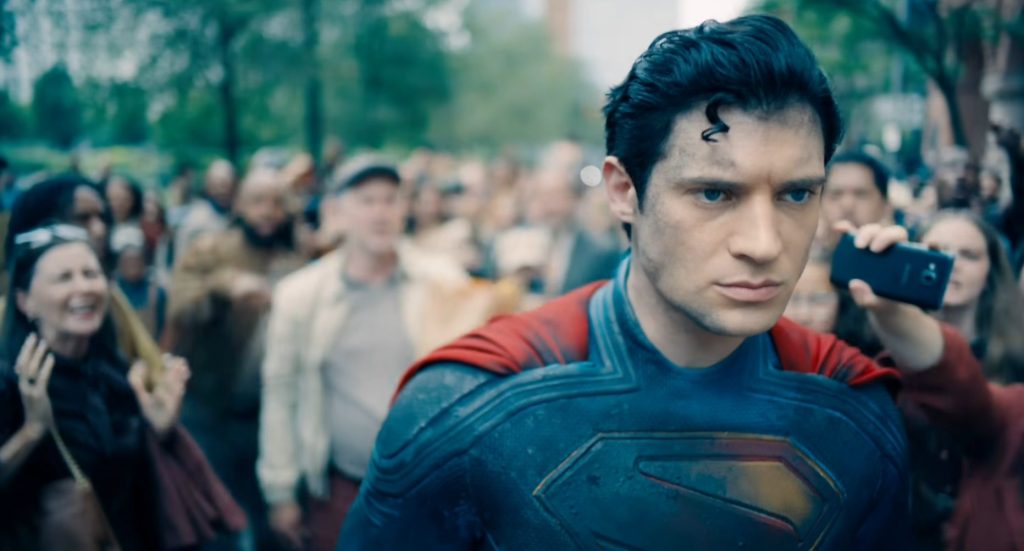
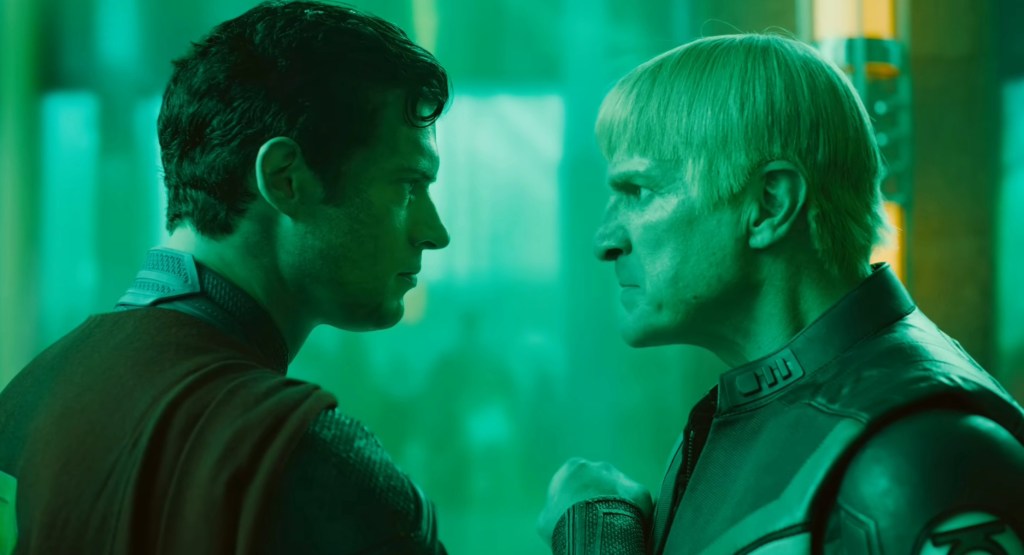
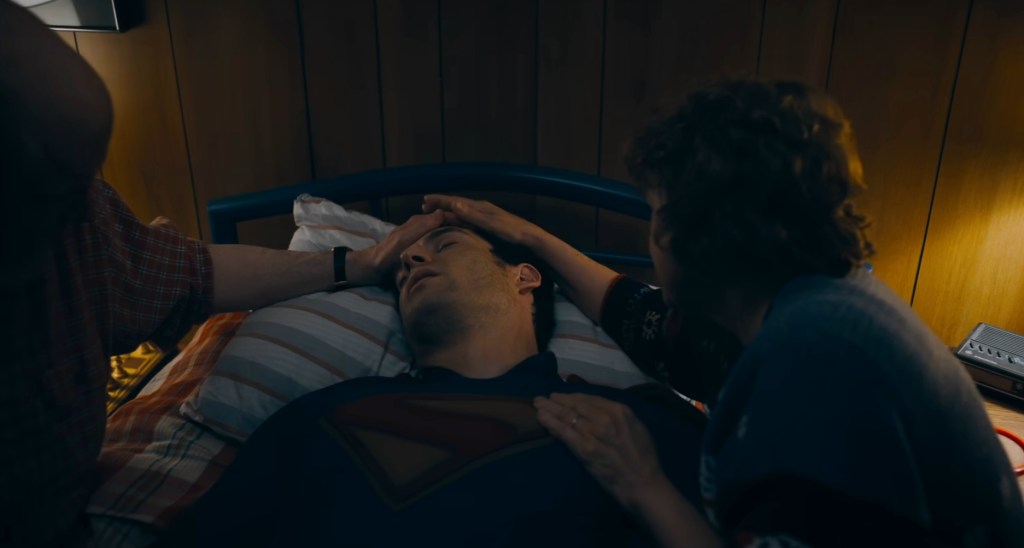
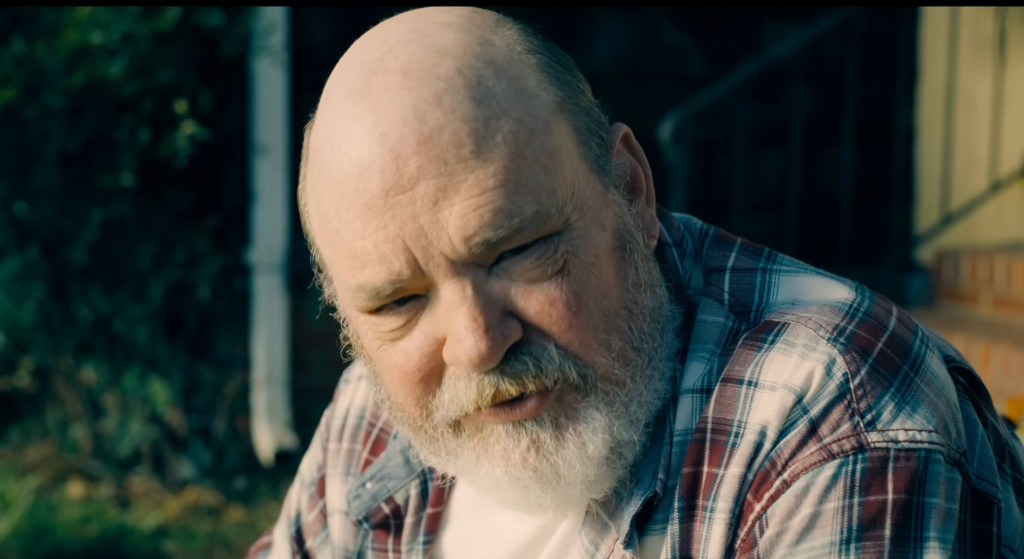
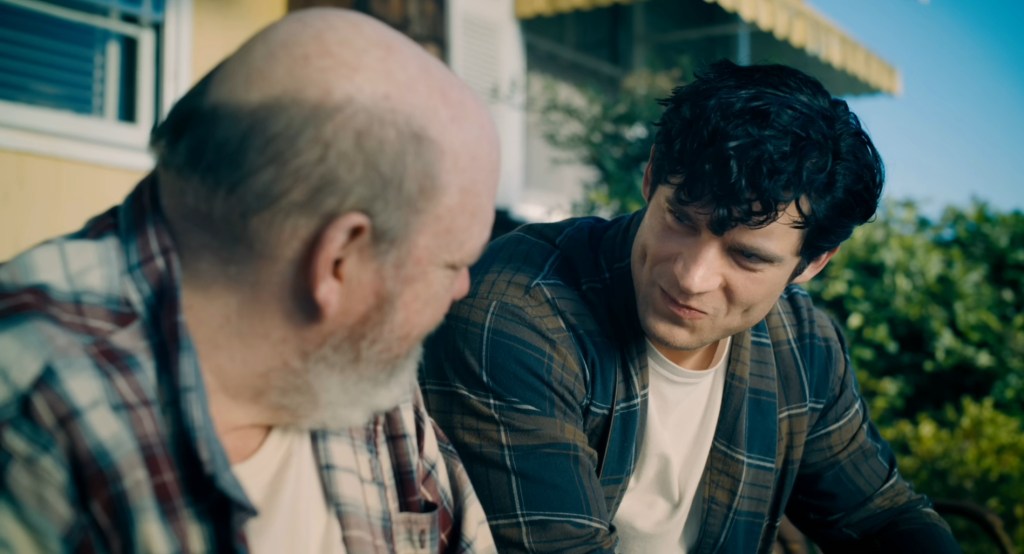
In James Gunn’s Superman (2025), the Man of Steel contends with the distinction between having the power to save someone and having the power to save everyone. His powers don’t spare him from his own vulnerability, despair, or the realization that neither being nor doing good don’t assure good outcomes. The film affirms a Superman (David Corenswet) who is neither invincible nor universally beloved. Having intervened in an international conflict to prevent the invasion of Jarhanpur by the militarily superior nation of Boravia, his humanitarian intentions are scrutinized by a world suspicious of his extraterrestrial origins as well as politicians and wealthies who muse about his seemingly unchecked authority. Notably, Lex Luthor (Nicholas Hoult), whose resentment of Superman borders on obsession, exploits these tensions. Resolved to discredit the very existence of a being whose benevolence he perceives as an affront to humanity, Luthor engineers a succession of catastrophes, manipulates public opinion, and exposes a concealed message from Superman’s Kryptonian parents, Jor-El (Bradley Cooper) and Lara (Angela Sarafyan), whose apparent intentions for their son contradict everything he has come to believe about his purpose on Earth. Instead of encouraging him to protect his adopted world, the transmission charges him with subjugating humanity to continue Krypton’s legacy. What Superman first understood as an inheritance of hope and goodwill is suddenly recast as a mandate for domination, revealing the origins he’d once revered were never the moral foundations he imagined. His identity, once seemingly anchored in the aspirations of a civilization long extinguished, becomes estranged from the integrity through which he strove to define himself. The world that once celebrated him starts to question whether his goodwill conceals an inherited ambition for domination. However, amid this disillusionment, the film discerns the circumstances of one’s existence from the choices through which that existence acquires meaning. Superman’s humanity is neither contingent upon his biological origins nor diminished by his extraordinary powers; it’s built on the relationships, affections, and choices that comprise his life. His adoptive father, Jonathan Kent (Pruitt Taylor Vince), reminds him that his identity isn’t predetermined by the expectations of those who brought him into existence; it’s created through the decisions he makes for himself.

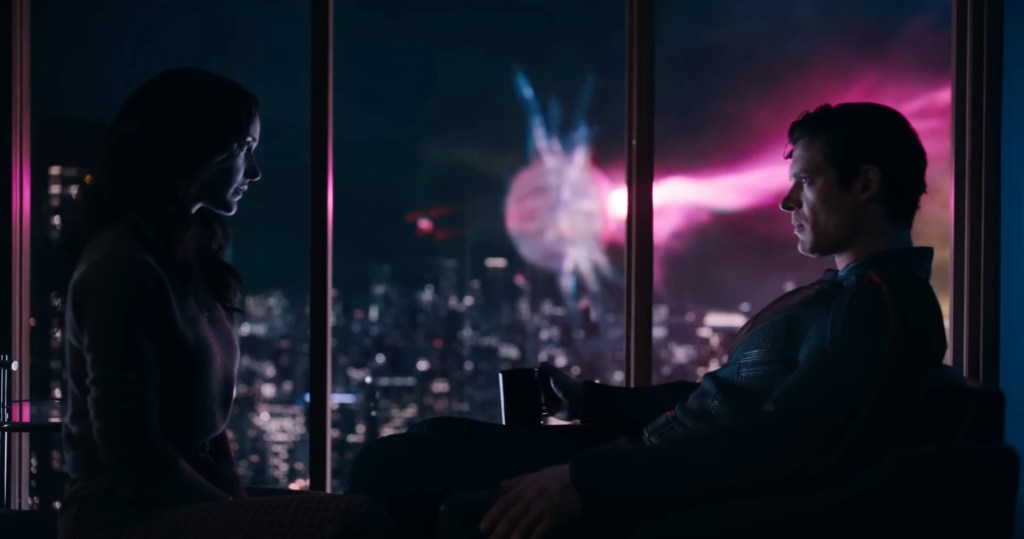
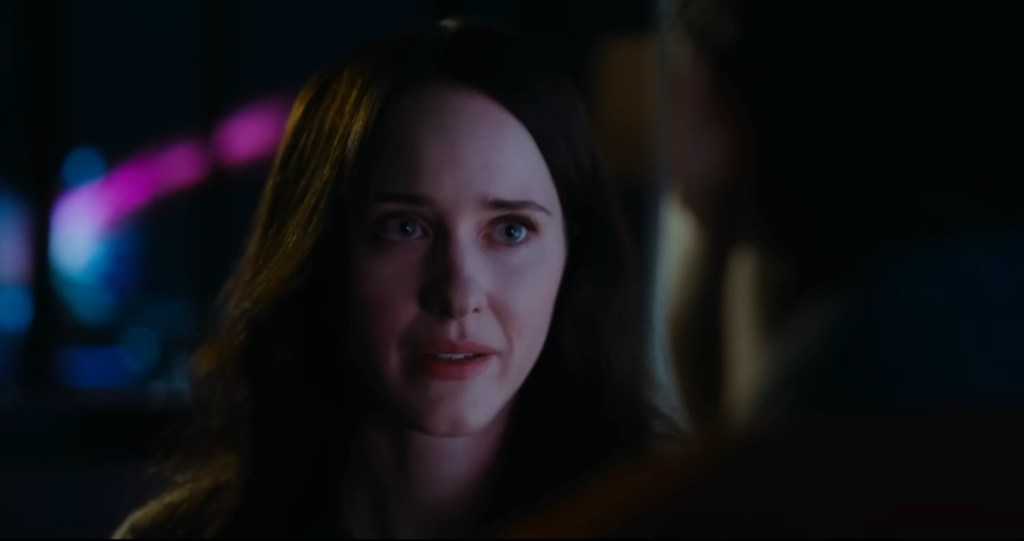
There’s a scene where Clark [Kent] confides in Lois (Rachel Brosnahan) how the message from his parents was contained aboard his spaceship and damaged upon landing, and hadn’t survived in its entirety; how he believed his parents encouraged him to serve—not dominate—humanity from what bits and pieces he could recover. After Lois reassures him she never doubted him, she notes their differences, as a punk rock fan who’s always inclined to question everything and everyone. Musing on Clark’s seemingly inexhaustible faith to trust and see beauty in others, he shrugs: “Maybe that’s the real punk rock.” Think of how suspicion and cynicism are conflated with wisdom or finesse, keeping an open heart and mind is an act of defiance. After all, punk rock is associated with a contrarian sensibility that asserts expressions of intellectual independence and resistance to conformity, wherein we should question established authority, distrust conventional wisdom, and hold skepticism toward accepted social norms (Worley, 2012). I admit, it’s a touching sentiment; even as I bear anguish, regrets, and chagrin which prevail regardless of that gentle affirmation. But Clark doesn’t say that being kind means turning a blind eye to iniquity or pretending that there’s nothing worth standing against. He just reminds us that knowing how cruel people can be doesn’t mean we have to lose sight of the good they can do too, and that maybe the greatest resistance is choosing not to let the hurt we’ve experienced take away the good we still have to offer.

In this distinction between inheritance and becoming, Clark discovers that goodness is an ongoing action of moral agency, not some fixed trait or inheritance. He might be capable of imposing his will upon humanity, but he chooses to serve people instead of oppressing them. And under all those spectacular confrontations and cosmic anxieties, Superman conveys a relatively ordinary predicament; the difficulty of staying good in a world that hardly recognizes or honours goodness. Clark isn’t absolved of suffering by virtue of his strength, nor guaranteed happiness by virtue of his intentions. Instead, he persists despite the indignities, betrayals, and uncertainties that accompany it—which, to him, is declaredly human. Mindfully, he asserts that his humanity isn’t about an intrinsic capacity to overcome adversity. Humanity is defined by what one chooses to become when faced with what—and whom—they can’t overcome.
As Luthor’s machinations climb to an apocalyptic threshold, Superman [really understandably] struggles to face enemies whom exploit his physical vulnerabilities along with the more intimate anguish of being misunderstood, betrayed, and rendered powerless before the suffering of others. Nevertheless, he persists in his commitment to humanity; and I didn’t think his tenacity vindicates that humanity intrinsically deserves his protection, or that his sheer efforts assure victory. Superman persists because he refuses to allow the world’s capacity for cruelty to determine his own; because of the familiar frailty in someone who longs to be understood lies beyond the spectacle of flight, might, and right. Because having the means to alter the world doesn’t confer the ability to make it just.
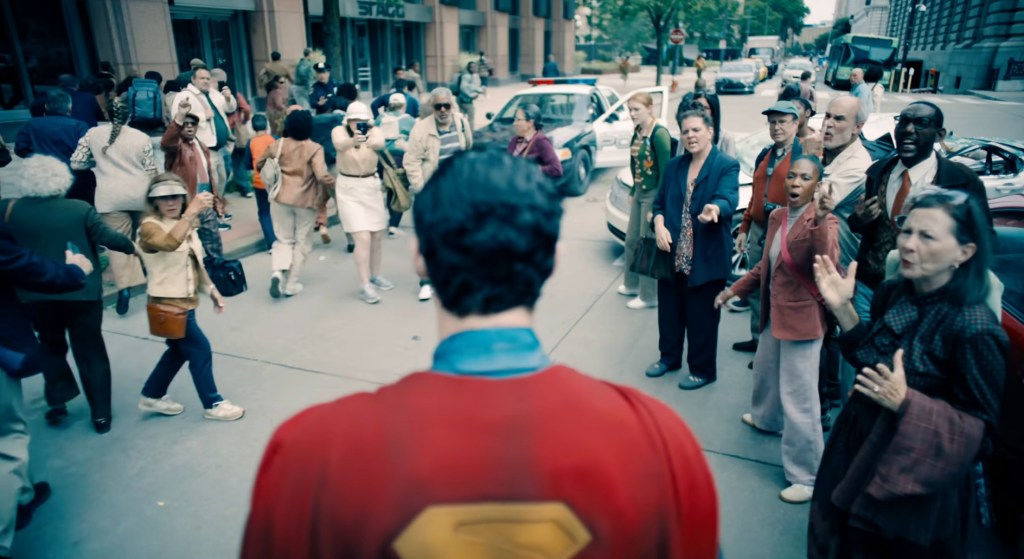
That’s what makes Superman so epic to me. He embodies the prospect of transcending limitations that, for the rest of us, are so ordinary as to be considered immutable. Gravity, vulnerability, physical frailty, the terrible distances separating us from those in need—all of these are hardly impediments to someone who can traverse the heavens. At the same time, his extraordinary capacities expose another less comforting reality. The world isn’t made just merely because someone possesses the power to intervene in its injustices, nor does the existence of goodness undermine the prevalence of its opposite. Sometimes, I wonder if the appeal of superheroes has less to do with our admiration for super strength than with our exhaustion from everyday powerlessness. There’s something intoxicating about imagining a being who can come before the catastrophe becomes irreversible; whose intervention isn’t contingent upon wealth, influence, institutional approval, or the innumerable qualifications through which human beings are made to justify their need for assistance. Superman doesn’t need those imperilled to demonstrate their productivity, innocence, or prospective contributions to society before deciding that their lives warrant saving. Their vulnerability in itself is enough to command his attention. So, I find myself returning to the comparatively inconsequential creatures he endeavours to protect.
Like, Superman rescues a squirrel amid the devastation unfolding around him; and this act holds an apparent insignificance but becomes remarkable exactly because of the circumstances in which it occurs. There are greater catastrophes to avert, more conspicuous lives to preserve, and countless reasons to deem the survival of one frightened animal as negligible. But Superman refuses the arithmetic through which some lives become expendable in the service of supposedly greater necessities.

I wish that refusal were less remarkable. It seems that much of our world revolves around such calculations. We’re constantly reminded that resources are finite, that sacrifices are unavoidable, that certain misfortunes are unfortunate but ‘necessary’ consequences of maintaining institutions whose prosperity is seldom distributed among those who sustain them. We’re encouraged to become strong, adaptable, and grateful for whatever remains available to us; even as the conditions necessary for an ordinary measure of security become increasingly difficult to attain. There’s something deeply unsettling about a society that demands ever greater strength from people while progressively diminishing their capacity to withstand the circumstances—more often than not, adversities—imposed upon them. We’re told to persevere through precarity, to cultivate optimism amid disappointment, to understand rejection as opportunity, and to see the exhaustion of endlessly proving ourselves as something that evinces personal growth. The responsibility for shouldering insecurity is consigned to those least equipped to escape it, while the institutions responsible for perpetuating that insecurity are absolved and insulated from its consequences.
I’ve spent most of my life trying to become someone whose efforts might eventually afford a measure of stability. I pursued education, worked, wrote, studied, and strove to make something meaningful of circumstances that didn’t always lend themselves to possibility. I imagined, as many children do, that adulthood would eventually bring a home, some financial security, and the opportunity to enjoy the fruits of whatever sacrifices had preceded them. Not necessarily extravagance, just the dignity of knowing that the life I’d worked to establish could accommodate the people and creatures I loved. Instead, I tend to find myself confronting the peculiar indignity of possessing accomplishments that seem insufficient to secure the very conditions they were supposed to make possible. There’s no shortage of exhortations to remain hopeful. But hope can’t pay a veterinary bill. Strength can’t restore a failing organ. Perseverance doesn’t persuade an employer to offer a sustainable livelihood, nor does the accumulation of qualifications guarantee that those empowered to recognize them will consider them worthy of recognition. I don’t believe these realities render effort meaningless, but I also can’t accept that effort is invariably rewarded in proportion to its sincerity or magnitude.
The deepest wounds we carry are those that quietly estrange us from the world we once knew, irrevocably altering how we experience life while remaining all but invisible to those who can’t fathom what has been lost. I’ve devoted so much of my life to institutions whose professed ideals of integrity, opportunity, and belonging became hard to reconcile with my experiences of them, leaving me estranged; not only from the worlds I once aspired to inhabit, but from the very prospect of attaining the security, dignity, and sense of belonging I’d spent so long striving toward. I won’t recount their particulars here, partly because some matters remain unresolved, but also because the circumstances themselves aren’t the entirety of what I wish to convey. What gets me is how much an experience can rock my world life while the rest of the world turns. I’ve never recovered the person I was before. There’s a curious subtlety in having to carry on with the familiar tunes of everyday life when the world you once knew is no more, and the assurances of belonging, purpose, and happiness unravel.
You learn to keep up appearances: look composed, fulfill obligations, and exchange pleasantries to ritualize some professional and social existence; even when most of it feels pointless. There are times I feel like I’m imitating the gestures of a life I expected to live naturally. Affection, intimacy, ambition, and hope for happiness have become things I can see in others more readily than I can imagine experiencing myself. What I mourn isn’t just what happened; it’s what could’ve been.
There’s no way to get back the years I spent trying to make sense of what happened; no way to recover what I’ve lost while I was busy trying to survive; no way to know whether the person I could’ve been would’ve found the security, companionship, or contentment that seem so elusive now. It’s a strange kind of grief, mourning what I lost along with everything that was once possible and will never become knowable.

One recent experience stays with me. After years of studying, teaching, and publishing—and agonizing—I was informed I’d been shortlisted for a director position. My qualifications were considered, my application was taken seriously, and people who knew my work expressed confidence in me. For a moment, the question I’d spent so much of my life asking—whether I’d ever be good enough to get such an opportunity—seemed to have been answered. But another question arose in its place. It wasn’t whether I could pursue the position, or even if I deserved the opportunity; it was whether I could reconcile accepting it with the atrocities that devastated me. An advancement I’d once regarded as evidence of life going as it should required a level of complacency I hadn’t been able to make peace with.
And, I couldn’t do it. I still can’t.

That decision doesn’t evince some exceptional moral virtue, even if I presume to judge those whose circumstances, convictions, or experiences might have led them to choose differently. Because the prospect of advancement is inseparable from a question of conscience. I can’t celebrate opportunities at any—literal or figurative—expense of what warrants acknowledgment and accountability. Moreover, that decision didn’t spare me any consequences. It also didn’t restore anything that had already been taken from me. I continue to face the financial insecurity, uncertainty, and diminished sense of possibility that had made these opportunities so meaningful in the first place. It’s uncanny, knowing that a choice can be consistent with my convictions without actually making my life better. And I can’t help but wonder how often that contradiction is obscured by the familiar assurances that integrity is its own reward.
Well, maybe it is? But integrity doesn’t provide housing, guarantee employment, or restore the years consumed by experiences whose consequences remain unresolved. It doesn’t ensure that those who have caused harm will wallow, much less be held accountable. The only reward for refusing what I consider unconscionable is the knowledge that I’ve refused it, while the practical circumstances of my life stay as precarious as before. What exactly do institutional cultures teach people about success when prosperity and moral responsibility conflict?
We speak so readily of leadership, excellence, service, and integrity, like these virtues naturally come with credentials and authority. But institutions aren’t ethical just because they profess admirable values. Structurally, they discourage dissent and reward conformity which favours reputation as more urgent than veracity or remedying harm. Sure, not everyone who prospers within is evil; but success, however impressive, doesn’t vindicate moral character. The indictment of our humanity lies in our willingness to rationalize, tolerate, or turn a blind eye to injustice—as opposed to in some failure to see injustice altogether—when challenging such threatens the privileges, opportunities, and comforts we aspire to acquire for ourselves. I don’t say this as a sanctimonious platitude; I say this firsthand. I know what it means to see a life I wanted, an opportunity that might’ve brought it closer, and knowing that pursuit would compromise something I couldn’t bear to surrender.
I won’t pretend that I’ve found peace in that distinction. There are days when I rage, resenting the ease with which the world continues to grow around experiences that have devastated my own life. There are days when the possibility of accountability feels like a dream the expectation that I should just move on seems indistinguishable from another demand that I oblige what happened. But I don’t want that bitterness to become the entirety of who I am. Even when I struggle to imagine a future where my dreams are a reality, I can still imagine a future where Clark is happy. I can still wish for another beautiful window through which he might watch the birds, another comfortable place for him to sleep, another ordinary day in which he feels safe and loved. I don’t know whether that hope is enough to sustain me through everything else, and I don’t think it should have to be; but it remains, even when so much else feels beyond my reach.

My theological studies and vocational discernment have complicated these reflections. Even as I’m drawn to priesthood—a vocation ostensibly concerned with compassion, justice, and the alleviation of human suffering—most of the time, my efforts to pursue this further acquaints me with the same conditions that make such suffering so difficult to endure. It’s disheartening to seek guidance, encouragement, or reassurance from those entrusted with discerning my suitability for ministry—only to encounter sentiments about patience, perseverance, and the necessity of becoming sufficiently prepared for a future that remains uncertain. I understand the importance of discernment and I don’t think that sincerity, academic achievement, or personal hardship should exempt anyone from the responsibilities and scrutiny that come with the territory. At the same time, I struggle with the disparity between what such expectations demand and what those expected to fulfill them can afford to.
For someone whose life is already characterized by financial precarity, interpersonal adversity, and the cumulative exhaustion of always having to establish my worth—the injunction to persevere is hardly an abstract spiritual exercise. It has material consequences. Time must be found where time is already scarce; resources must be committed where security remains elusive; and hope must somehow be kept despite the absence of any assurance that these sacrifices will eventually lead anywhere. What may appear, from a position of institutional security, to be a reasonable period of waiting feels considerably different to someone for whom each passing year represents another year of uncertainty, deferred possibility, and waning confidence in the future. The language of spiritual formation can also obscure the disparate conditions under which people are expected to demonstrate their faith (Moore, 2023, p. 74). Patience is easier to commend when one’s livelihood isn’t contingent upon its indefinite exercise. Perseverance sounds different when spoken by someone whose position is secure than when received by someone already barely afloat. And while suffering may occasion insight, humility, or compassion, I can’t accept that its continuation is intrinsically beneficial, much less that those who find themselves overwhelmed are somehow deficient in character or devotion.
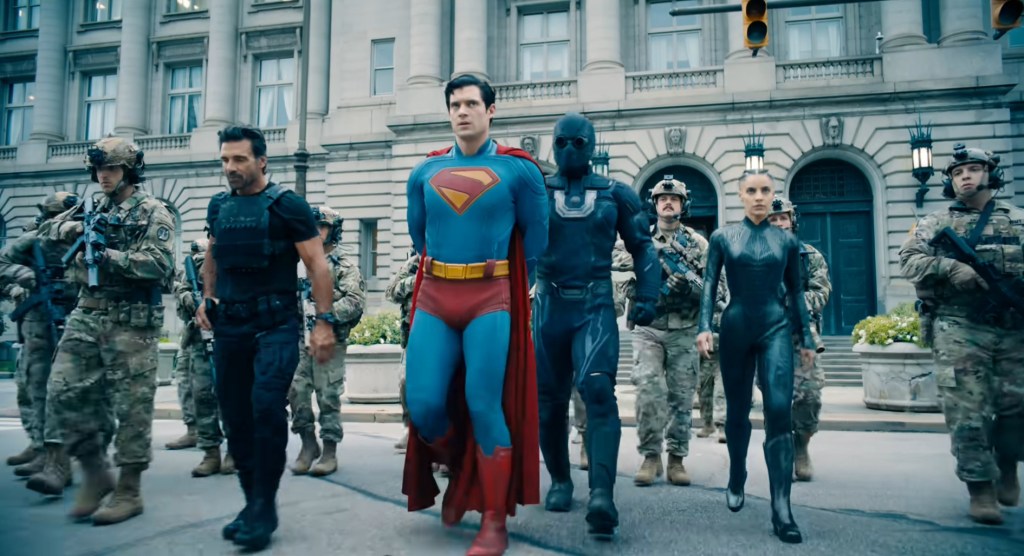
I don’t seek a vocation to be celebrated for enduring hardship. I seek it, in part, because I’ve grown conscious of how many people are asked to endure things that they shouldn’t have. I want to believe that a community devoted to the teachings of Christ can distinguish between accompanying someone through adversity and just expecting them to withstand it. We can appreciate that suffering can underscore, even catalyze compassion and responsibility—without mandating the endurance of adversities while failing to address what necessitates them. That’s a hallmark of Superman too. He refuses to see vulnerability as something that can just be overcome; he sees when there’s a need and responds. Which makes me wonder whether the truest measure of our ethical and spiritual commitments comes down to what we’re ready to do to make perseverance less necessary, instead of how eloquently we exhort others to persevere. Be that as it may, like in academia, I don’t know if I’ll be considered suitable for this vocation despite all of my hopes and efforts. While it might come off as incessant, I hope my longing for reassurance isn’t mistaken as hubris or an entitlement to certainty.
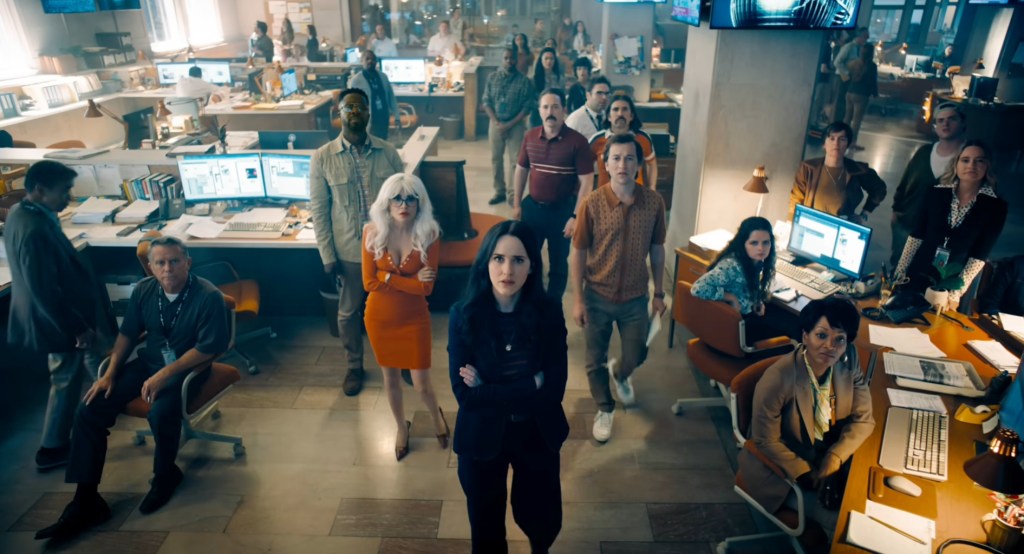
That’s why Lex Luthor is so memorable. His power isn’t just about intellectual brilliance or personal ambition; it’s material, institutional, and political. He has the resources to manufacture crises, manipulate public perception, and enlist elaborate systems in service of his resentments. His personal indignation becomes consequential because he has the means to impose it upon others. Superman has amazing abilities, but Luthor has something more familiar—the capacity to make his private interests govern the circumstances of people who have little, if any meaningful authority over him. And despite all that, Luthor still isn’t happy. I mean, I don’t think even any of the IRL wealthies honestly are. His riches can’t reconcile him to Superman’s existence. His intelligence can’t absolve him of envy. His major influence doesn’t produce the moral superiority he so desperately wishes to establish. Instead of employing his capacities to allay suffering—or just y’know, chill—he’s consumed by the intolerable possibility that someone else might be admired for qualities he can’t manufacture through coercion. I wonder how often we mistake the possession of power for evidence that its possessor deserves it.
Conversely, Superman is so special because he refuses to exercise the dominion his abilities would permit. Holding back isn’t weakness. Actually, he refuses to see weakness in others as an invitation to exploit them. He doesn’t need to undercut another creature to establish the magnitude of his own existence. Many folks claim his insistence upon kindness—when kindness offers no assurance of reciprocity—is definitively human; and I can’t help but wonder if that’s really human at all. We’re used to identifying compassion, mercy, and goodwill as the distinguishing virtues of humanity as if cruelty, exploitation, and indifference are foreign intrusions upon an otherwise benevolent nature. But history and present day offer little justification for that presumption. Humanity has shown an incredible capacity to inflict suffering upon itself, often with convictions of righteousness that render cruelties all the more difficult to confront (Bandura, 1999). We call our kindness humane and our cruelties inhumane, like the latter aren’t equally products of the same species. So, Superman’s humanity is less a reflection of what human beings are than an indictment of what they so frequently choose to become.

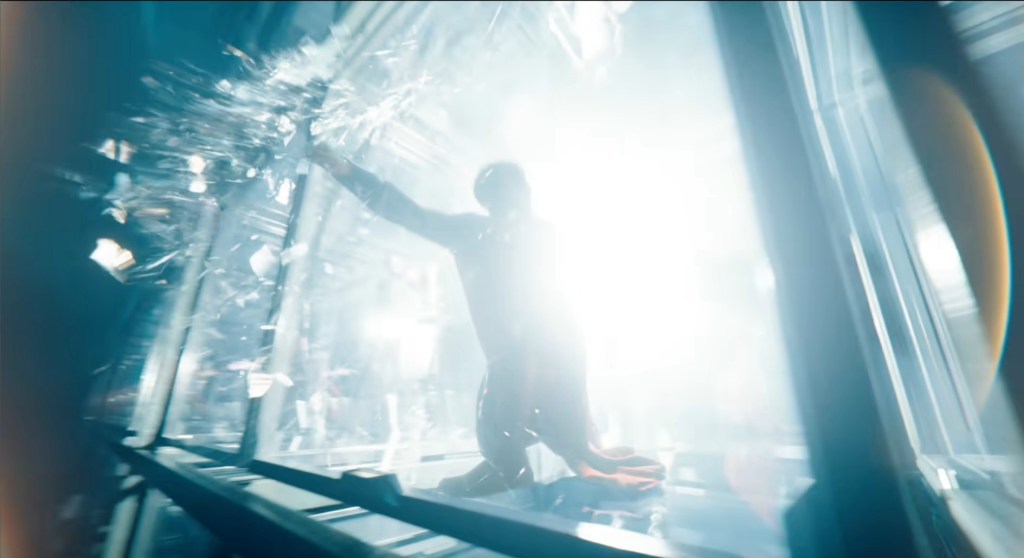
Plus, Superman’s enduring cultural adoration is ironic considering the prevalence of anti-immigrant sentiment, as societies that celebrate an extraterrestrial saviour see those who cross earthly borders with suspicion, hostility, and contempt. People are very willing to embrace the stranger in fiction while condemning the stranger in reality, extending admiration to an alien endowed with superpowers while denying ordinary human beings the dignity, belonging, and compassion that make his heroism so universally beloved. Because Superman is an alien—an “illegal alien,” if you’d like to get technical in line with modern maggot lingo or critically consider how “illegality” is also racially encoded (Menjívar, 2021)—whose very existence, Lex Luthor and other naysayers accuse, supposedly threatens the dignity and sovereignty of humankind; but he personifies the virtues through which humanity seeks to distinguish itself, while those most insistent upon their human superiority show how little such distinctions assure moral worth.
So, there’s something almost tragic in the idea that Superman must transcend humanity to become what humanity imagines itself to be; this expectation that goodness must continually prove itself through endurance. I’ve never believed in the notion that suffering ennobles those who experience it. Sometimes, suffering just destroys and exhausts the capacities through which a person might’ve otherwise flourished. Sometimes, it consumes time that can’t be recovered, opportunities that won’t recur, and possibilities whose absence become another form of grief. It’s easy to celebrate perseverance from a position sufficiently secure that perseverance is hardly a matter of survival.
I think that distinction becomes more troubling when considered theologically. I’ve wrestled with the promises of eventual consolation that permeate Christian understandings of suffering. For example, the Beatitudes pronounce blessings upon the poor, the hungry, and those who weep, while anticipating a reversal of their present circumstances (New Revised Standard Version Updated Edition Bible, 2021, Luke 6:20-21). There’s beauty in the conviction that suffering doesn’t constitute the final measure of existence, but I can’t entirely silence the question of what such promises mean to someone whose hunger persists, whose poverty continues, or whose beloveds have died. What consolation is there in being assured that justice will eventually prevail when the consequences of its absence are being endured now? I don’t ask this because I believe hope in an afterlife is a scam, nor because I consider faith incompatible with indignation. It’s just that promises of future welfare are invoked to excuse the failure to pursue likewise in the present. It’s hard not to notice how readily those enjoying considerable earthly security can counsel patience, humility, and detachment to those for whom such security remains inaccessible. The possibility of heaven doesn’t render earthly deprivation inconsequential, and the inevitability of death shouldn’t minimize our responsibility to preserve and enrich the lives that precede it.
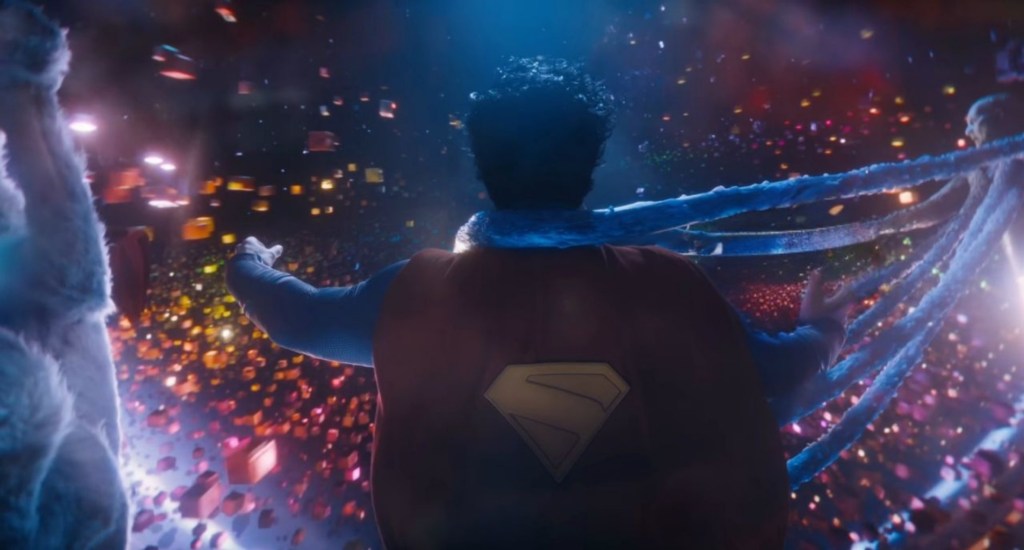
I think of Clark again. He has no conception of the institutions through which I’ve sought a livelihood, the qualifications I’ve acquired, or the social arrangements that determine what I can afford to give him. He doesn’t understand why one person might have a beautiful house with an abundance of windows while another struggles to secure a modest measure of abode. He knows the world through experiences that are far more immediate; familiar voices, affection, appetite, companionship, warmth, and the curious pleasure of looking upon a world he can’t fully enter. Sometimes, he calls for me and I follow him; and there’s something almost comical about the authority he exercises over me. This little creature, whose body has become increasingly vulnerable to the indignities of age, can summon me with an insistence that would be the envy of any monarch. I don’t follow him because he compels me; I follow him because his happiness matters to me. His desires aren’t always comprehensible just like his requests aren’t invariably convenient, but I want to oblige them whenever I can.
I wish the kind of endearment governed more of the world. I wish that vulnerability was seen as a reason for care instead of an opportunity for exploitation. I wish that needing help didn’t all too often entail humiliation, that provisions of safety or security weren’t always reduced to calculations of profit, and that the worth of a living being didn’t have to be established through some anticipated return upon the resources devoted to its care.
Clark won’t ever [literally] repay me for the things I have given him. He’ll never recognize their monetary value, contribute to my professional advancement, or vindicate my sacrifices through accomplishments of his own—and his life doesn’t need to become useful in any such way to deserve the care it receives. He’s not an ‘investment’; he’s someone I love. And yet, even here, where affection seems capable of transcending the transactional arrangements that regulate so much of life as we know it, I encounter limitations that no sincerity of feeling can overcome. I can’t love his kidneys into health. I can’t bargain with the years. I can’t promise that this precious little life we share will stretch across all the tomorrows I dream of spending beside him, nor that time will be merciful enough to grant us even a fraction of the forever I wish we could share.
Love inclines me to ruminate on the presence of death even within a promise of permanence. Many tales encode the value of perpetuity in relationships whose commitments or affinities come to define them as inescapable; but above all, mortality defines even the most loving attachment. Folks talk about loving someone forever like forever is a duration they inhabit together, but every relationship exists beneath the shadow of an ending, acknowledged or otherwise. Even the most loving vow can’t assure the perpetuity of those to whom it is made, which is why death doesn’t come as a surprise within an otherwise permanent arrangement. Death is actually a condition for that arrangement.
That’s what I find so unbearable.
When I look at Clark, I’m not just considering the prospect of a future without him. I’m also facing the knowledge that our present happiness is already bounded by circumstances neither of us chose. Every ordinary moment belongs to a life whose duration I can’t know. The tenderness I feel when he bunts my hands is accompanied, sometimes almost imperceptibly, by the fear that one day there won’t be a little head pressing against my palms.
And I resent that.
I resent the idea that gratitude should require my acquiescence to impermanence. I resent being told, however gently, that the beauty of something is somehow intensified by the knowledge that it doesn’t—can’t—last. Maybe that’s true for some people; but for me, the prospect of losing someone beloved doesn’t make their existence more beautiful. It makes their vulnerability more frightening. I’d gladly relinquish whatever philosophical profundity mortality supposedly confers upon love if doing so meant that Clark could stay healthy and happy beside me. Of course, I know that such a bargain is impossible.
But knowing something is impossible doesn’t get rid of the longing for it.
Superman inhabits that longing. His likeness suggests that the boundaries of possibility might be less absolute than our experiences lead us to believe. He can reach those whom others cannot reach, survive what others can’t survive, and intervene where the rest of us might only witness catastrophe unfold. There’s a kind of defiance in his very being, like the universe has permitted one creature to contradict some of its most unforgiving arrangements—and he still encounters the limits of what power can accomplish. His greatest weakness isn’t an enemy or even Kryptonite; it’s his inability to ensure that the world responds to integrity with likewise. Life has no guarantees. No matter how kind or honest he is, people still distrust him. No superpower or good deed assures gratitude, justice, or kindness.

But he still chooses to care.
While I find that choice admirable, I don’t think it’s a choice that everyone should make. There’s a difference between choosing to be good in the face of cruelty and being required to endure cruelty as proof that you’re good. The former expresses moral agency, while the latter is another means through which suffering is normalized. Superman isn’t good because he lets others harm him. He’s good because of what he does; the purposes to which he directs his power, the lives he considers worthy of protection, and the iniquity he refuses to impose.
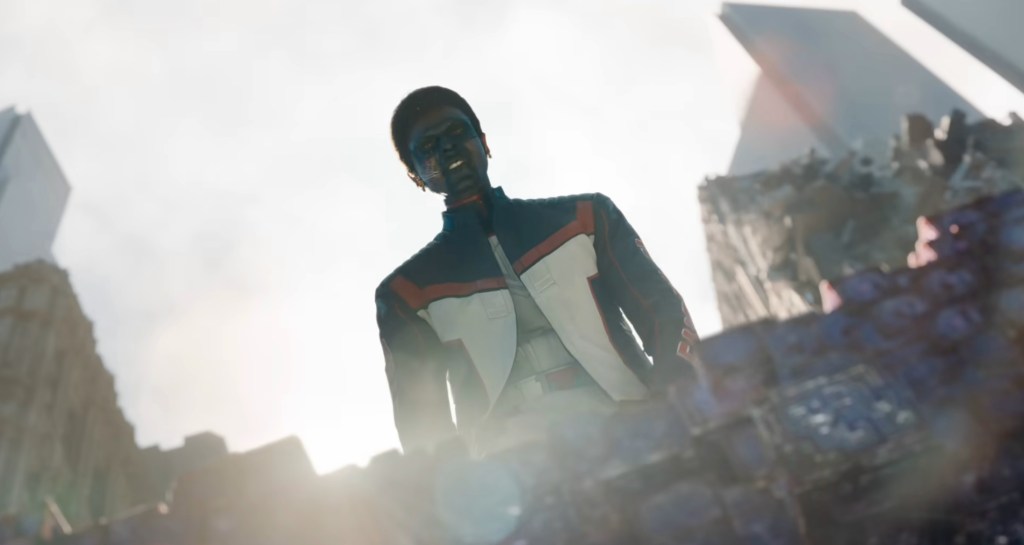
This really hits home when put against his narrative alternative selves in the multiverse. Gunn invoked the moniker of Ultraman (also played by Corenswet) as a somewhat Bizarro-like iteration. In the original DC Comics, Ultraman is Superman’s malevolent counterpart from a parallel universe, typically Earth-Three, where he leads the Crime Syndicate and incarnates a perversion of the Man of Steel’s ideals; wielding comparable superpowers to dominate, exploit, and subjugate humanity, not protect it. Compare that to Bizarro, a grotesquely imperfect duplicate—usually a faulty clone—of Superman, whose distorted appearance, unconventional reasoning, and inverted moral sensibilities render him a tragic reflection. He doesn’t really represent an inherent inclination toward evil. What he represents is the alienation, confusion, and longing for acceptance that accompany an existence defined by his perceived imperfections. This film’s “Ultraman” character is a manufactured counterpart who shares Superman’s physical might but none of the moral autonomy that characterizes Clark Kent. Engineered to obey Luthor’s commands, he epitomizes how readily power becomes an instrument of domination when divorced from conscience, compassion, and the freedom to question authority.

Which makes me think of another miserable version of Superman—from in Injustice, wherein Superman’s devastation following the murder of Lois Lane and their unborn child transforms his longing to protect humanity into a fascist resolve to control it. He’s not really like Bizarro, whose destructive tendencies arise from an imperfect understanding of the world instead of consciously rejecting goodwill. And unlike Gunn’s Ultraman, whose obedience is imposed upon him, or his Earth-Three counterpart, whose cruelty reflects a deliberate appetite for domination, Injustice Superman thinks coercion solves suffering, purporting that eliminating of uncertainty establishes peace. The core tragedy of Injustice is that Superman understands the moral significance of compassion and protection, but his bereavement convinces him these virtues can be preserved through the same cruelties they once compelled him to oppose. His grief is comprehensible, even if his subsequent atrocities aren’t. It still makes my skin crawl to think of how love—ostensibly, contrary to cruelty—can be purposed to justify oppression; when the desire to protect, even avenge consumes us until we’re driven to essentialize variance—and by extension, what bears the slightest likeness to our traumas—as a threat. I’ve had truly horrid experiences with particular people and places; and I admit, I had to make conscious, constant efforts not to pigeonhole others of shared traits. So, I can understand the impulse to isolate or suspect, especially since I tend to assume responsibility for adversities I couldn’t have reasonably prevented; like blaming myself might restore some semblance of control over things that left me powerless. I understand the temptation to typecast those who hold qualifiers of my malefactors as prospective threats. Like Injustice Superman, I can mistake the emotional security of anticipating further harm for the moral certainty that such harm is inevitable.
And yet, when I consider my own Clark—whose little life is so far removed from these confrontations—I consider a gentler expression of the same distinction. He doesn’t have any of his namesake’s spectacular abilities, nor any understanding of the moral struggles through which fictional worlds discern their heroes from their adversaries. His powers, such as they are, consist largely of summoning me from another room, persuading me to interrupt my work, and spurs an affection I’m already helplessly inclined to give. And maybe that’s why I find him so meaningful; he doesn’t need to overcome anyone to be worthy of love, nor must he transcend the frailties of his aging body to deserve protection. I’ve sometimes wished for the powers of Superman so that I might spare him the illnesses and uncertainties that accompany his mortality; but I wonder whether, faced with the possibility of losing someone so precious, I can also recognize something of the desperation that ultimately corrupts his Injustice counterpart. I understand the longing to refuse a world in which those we love can be taken from us, even as I can’t accept the suffering inflicted upon others in the name of preventing our own. That’s what moves me about Gunn’s Superman; he knows anguish and the temptation to answer cruelty with cruelty, but refuses to let the world’s capacity to wound him or those he loves to become a justification for inflicting those same wounds on others. Proudly albeit shakily, he insists to Luthor: “I’m as human as anyone. I love. I get scared. I wake up every morning and despite not knowing what to do, I put one foot in front of the other and I try to make the best choices I can. I screw up all the time, but that is being human; and that’s my greatest strength. And someday, I hope, for the sake of the world, you understand that it’s yours too.”

The hardest expression of love is willing to cherish another being without making possession, permanence, or control the conditions of that care. My Clark can’t save the world, and I can’t save him from everything the world entails. However, in the tenderness of his companionship, and in the care I endeavour to give him, I encounter something that neither Ultraman’s strength nor Injustice Superman’s dominion can secure.
A love whose value arises from the vulnerability it refuses to exploit, not from the power it exercises.
That characterization posed a moral question that I struggled to put into words, but got clearer when I started thinking comparatively. The question isn’t whether we can become strong enough to withstand an unjust world, but whether we can cultivate the capacities necessary to make that world less about strength. I don’t know how to reconcile that aspiration with my own limitations. I don’t know if the years ahead will bring the stability I’ve sought, if my efforts will eventually afford Clark a more comfortable life, or if his health will stay stable for us to enjoy many more ordinary days together.
I can’t promise myself that everything will be all right. There are moments when I wish faith could provide that promise. I wish providence was clearer, that goodness was reliably vindicated, and that the suffering of innocents could be reconciled with the existence of a Creator that doesn’t need us to diminish the reality of their pain. Even so, I don’t mistake explanation for consolation, or consolation for a remedy. I guess the difference between what can—and can’t—be changed is less obvious than the Serenity Prayer might suggest. Conditions that seem permanent to one person might be negotiable to someone else with greater resources, influence, or opportunity. What we call inevitability can sometimes be no more than the consequence of insufficient capacity. Still, other limitations persist regardless of powers we accumulate. For all his extraordinary possessions, Lex Luthor will never grasp the genuine senses of peace or contentment that continually elude him; and like I’ve said before, Superman can’t make love invulnerable.
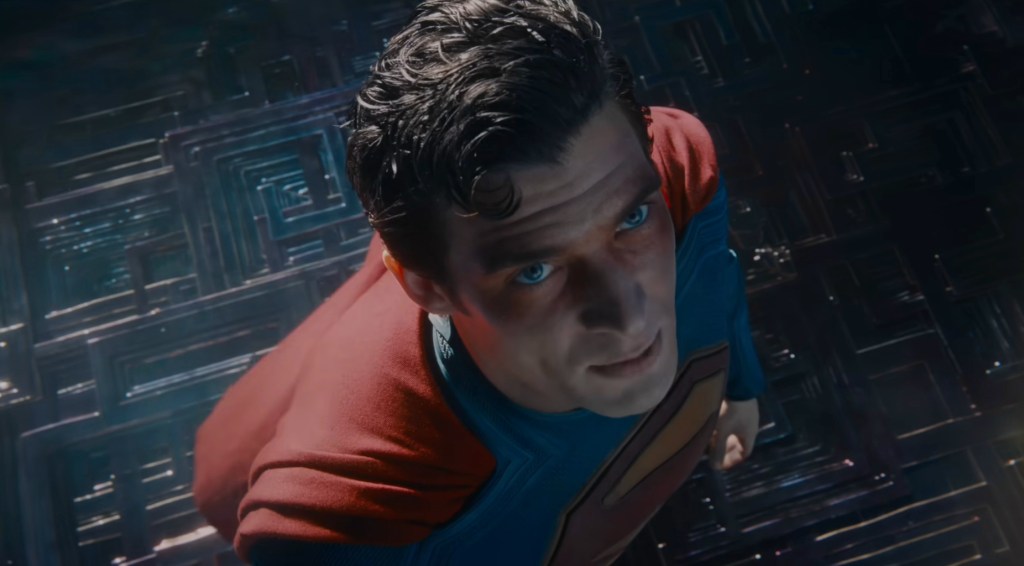
I guess that’s why I return to Clark, whose name belongs to a hero capable of saving the world, and whose own little world remains so dependent upon the ordinary ministrations of someone who can’t. I can’t give him everything. I can’t give him forever. But when he calls for me, I can answer. And although I won’t pretend that this small act of devotion compensates for everything beyond my power, I won’t write it off just because I can’t accomplish what I desperately desire.
What matters is knowing that integrity doesn’t lose its value just because it can’t right every wrong or spare those we love from suffering. Love, care, honesty, faith—none of these are inconsequential. The significance of what little we can accomplish should never oblige us to reconcile ourselves to everything we can’t.
For now, Clark’s here. Sometimes, he sleeps beside my head. Sometimes, he follows Nora through the apartment. Sometimes, he approaches me with that familiar insistence upon affection. And I find myself setting aside whatever preoccupation had seemed so important a moment before. I put my hand beneath his chin. He starts to purr. And for a little while, there is nothing to save him from except the loneliness of wanting someone beside him.
At least, that’s something I can do.
♫ Title song reference – “Heavenly Day” by Patty Griffin
References
Bandura, A. (1999). Moral disengagement in the perpetration of inhumanities. Personality and Social Psychology Review, 3(3): 193-209. https://doi.org/10.1207/s15327957pspr0303_3
Menjívar C. (2021). The racialization of “illegality.” Daedalus, 150(2): 91-105. https://doi.org/10.1162/daed_a_01848
Moore, R. (2023). Losing our religion: An altar call for evangelical America. Sentinel.
New Revised Standard Version Updated Edition Bible. (2021). National Council of Churches.
Worley, M. (2012). Shot by both sides: Punk, politics and the end of ‘consensus.’ Contemporary British History, 26(3): 333-354. https://doi.org/10.1080/13619462.2012.703013

